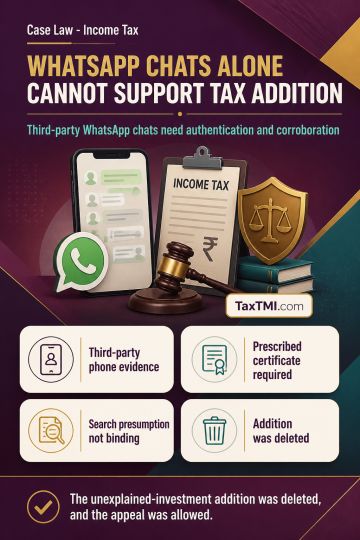
Electronic WhatsApp evidence without authentication or independent corroboration cannot sustain an unexplained-investment addition based on third-part...
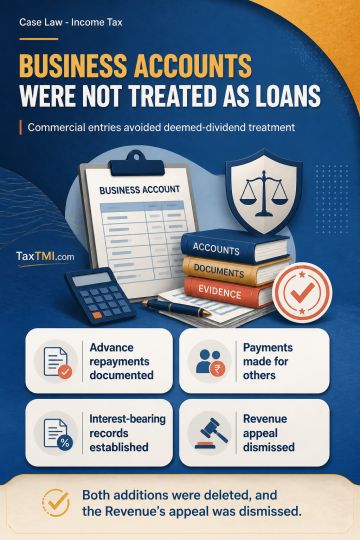
Mutual current-account transactions excluded from deemed dividend treatment where no fresh borrowing arose; unsupported unsecured-loan addition also f...
Rejection of an application to amend shipping bills under Section 149 of the Customs Act was challenged on the ground that the order/communication was not signed by the officer who purportedly passed it and did not disclose the deciding officer's name and designation. The Court held that while communication may be issued through another official, the order must bear the deciding officer's name and designation (and preferably physical/digital signature) to ensure traceability, accountability, and authenticity; otherwise, the decision-maker cannot be identified and the order's genuineness may be doubted. The explanation was accepted for the present case, but a prospective direction was issued mandating compliance for all Customs matters. - HC
Rejection of an application to amend shipping bills under Section 149 of the Customs Act was challenged on the ground that the order/communication was not signed by the officer who purportedly passed it and did not disclose the deciding officer's name and designation. The Court held that while communication may be issued through another official, the order must bear the deciding officer's name and designation (and preferably physical/digital signature) to ensure traceability, accountability, and authenticity; otherwise, the decision-maker cannot be identified and the order's genuineness may be doubted. The explanation was accepted for the present case, but a prospective direction was issued mandating compliance for all Customs matters. - HC
Note: It is a system-generated summary and is for quick reference only.
 TaxTMI
  TaxTMI
 of 4828













 Join Channel