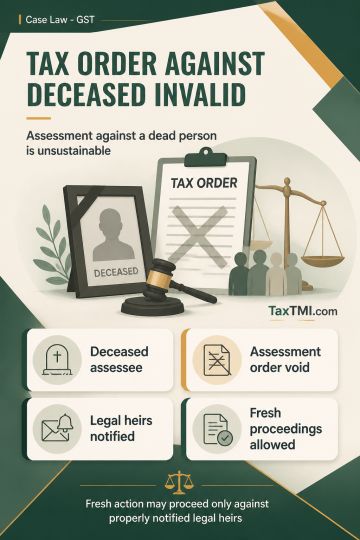
Mutual fund maturity rules require proper rollover, redemption, disclosure, and due diligence; investor gains cannot excuse regulatory breaches or pen...
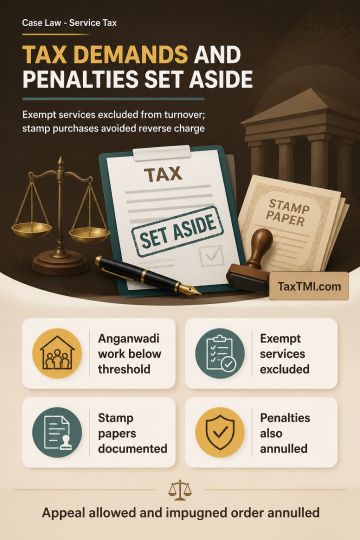
Threshold exemption excludes exempt services, while stamp-paper purchases avoid reverse charge; consequential service tax penalties were also set asid...
Employee conflict disclosures and investment restrictions expand with new recusal duties, post-employment limits, and compliance reporting requirement...
ITAT held that the assessee is entitled to depreciation on the intangible asset described as "Right to Collect Toll" under s.32. The Tribunal found that, under the DBFOT contract, the assessee has deemed ownership, acquisition and possession of the underlying project assets, which suffices to satisfy the ownership requirement for depreciation, even though the asset is intangible and cannot be "physically owned" in the manner envisaged by the AO. ITAT distinguished BOT projects relied upon by the Revenue, noting the wider scope of DBFOT and the deemed acquisition of the project by the assessee. The assessee's choice of depreciation instead of amortization was upheld. Revenue's appeal was dismissed.
ITAT held that the assessee is entitled to depreciation on the intangible asset described as "Right to Collect Toll" under s.32. The Tribunal found that, under the DBFOT contract, the assessee has deemed ownership, acquisition and possession of the underlying project assets, which suffices to satisfy the ownership requirement for depreciation, even though the asset is intangible and cannot be "physically owned" in the manner envisaged by the AO. ITAT distinguished BOT projects relied upon by the Revenue, noting the wider scope of DBFOT and the deemed acquisition of the project by the assessee. The assessee's choice of depreciation instead of amortization was upheld. Revenue's appeal was dismissed.
Note: It is a system-generated summary and is for quick reference only.
 TaxTMI
 of 4800












 Join Channel


 TaxTMI