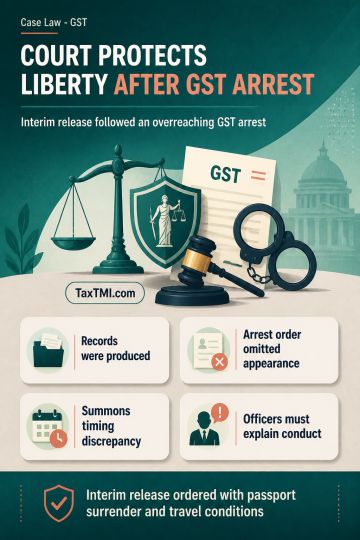
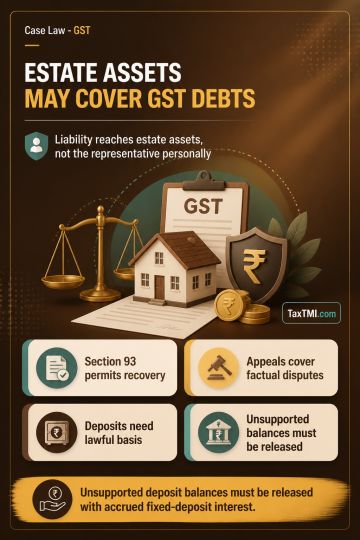
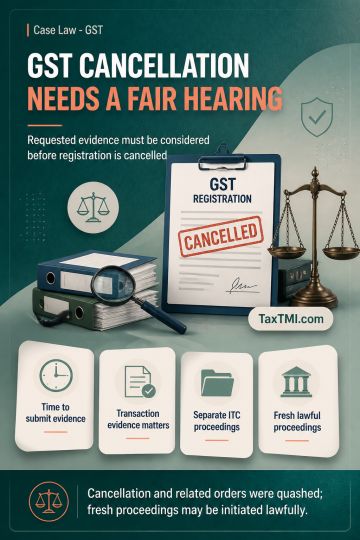
Personal liberty safeguards restrict arrest after court-directed GST appearance, requiring interim release where authorities overreach pending proceed...
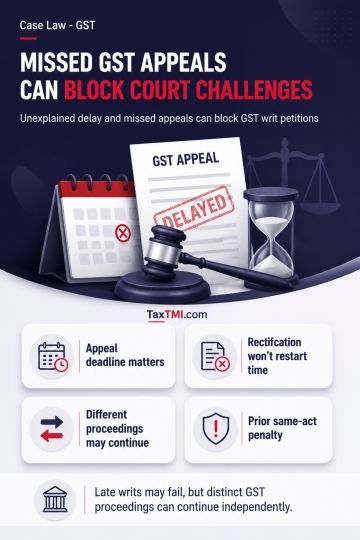
Alternative statutory remedy and delay bar GST writ challenges despite pending rectification, while distinct subject matter permits parallel proceedin...
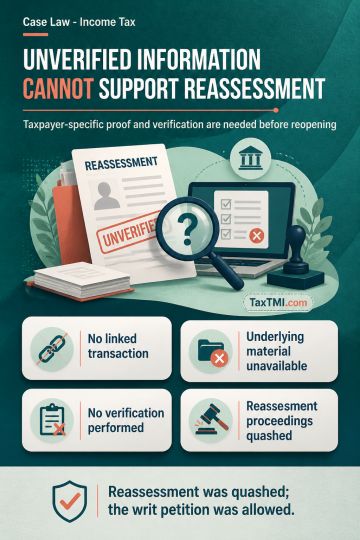
Unverified Insight Portal Information Cannot Justify Reassessment Without a Verified Taxpayer-Specific Income-Escape Nexus or Demonstrated Application...
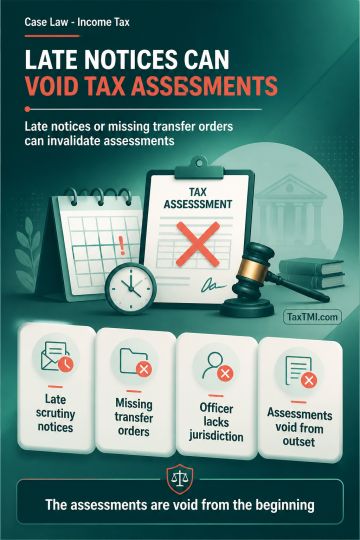
Assessing Officer jurisdiction after statutory transfer invalidates reassessment notices issued by transferor officers and nullifies resulting proceed...
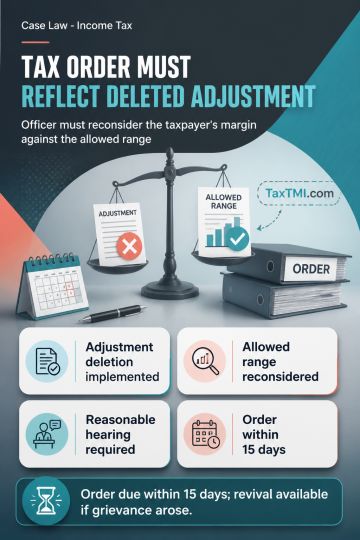
Consequential appeal-effect orders must implement rectification deleting working-capital adjustments and reconsider the resulting arm's-length range c...
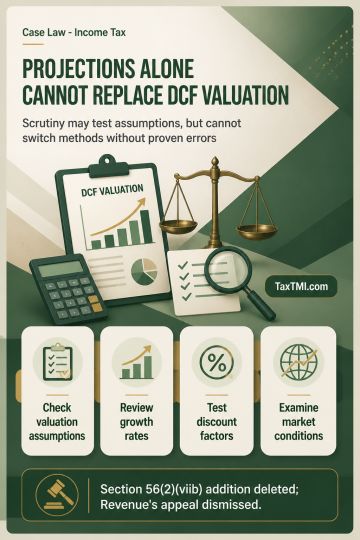
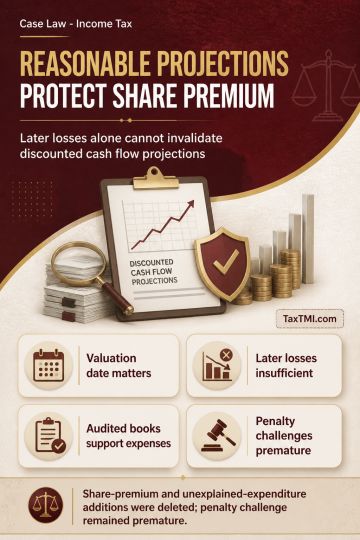
Discounted cash flow valuation protects share premium where projections are reasonable, while audited book expenses defeat unexplained-expenditure add...
ITAT held that the assessee is entitled to depreciation on the intangible asset described as "Right to Collect Toll" under s.32. The Tribunal found that, under the DBFOT contract, the assessee has deemed ownership, acquisition and possession of the underlying project assets, which suffices to satisfy the ownership requirement for depreciation, even though the asset is intangible and cannot be "physically owned" in the manner envisaged by the AO. ITAT distinguished BOT projects relied upon by the Revenue, noting the wider scope of DBFOT and the deemed acquisition of the project by the assessee. The assessee's choice of depreciation instead of amortization was upheld. Revenue's appeal was dismissed.
ITAT held that the assessee is entitled to depreciation on the intangible asset described as "Right to Collect Toll" under s.32. The Tribunal found that, under the DBFOT contract, the assessee has deemed ownership, acquisition and possession of the underlying project assets, which suffices to satisfy the ownership requirement for depreciation, even though the asset is intangible and cannot be "physically owned" in the manner envisaged by the AO. ITAT distinguished BOT projects relied upon by the Revenue, noting the wider scope of DBFOT and the deemed acquisition of the project by the assessee. The assessee's choice of depreciation instead of amortization was upheld. Revenue's appeal was dismissed.
Note: It is a system-generated summary and is for quick reference only.
 TaxTMI
  TaxTMI