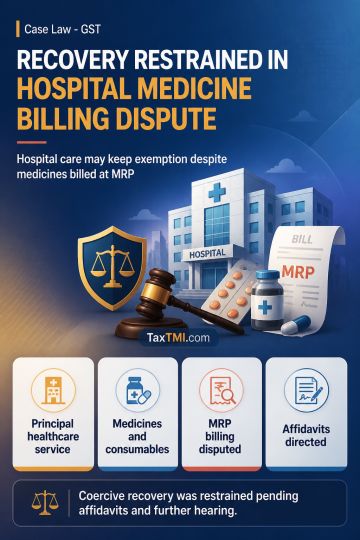
Composite inpatient healthcare supply may retain exemption despite MRP medicine billing, while separate taxable sale characterisation remains disputed...
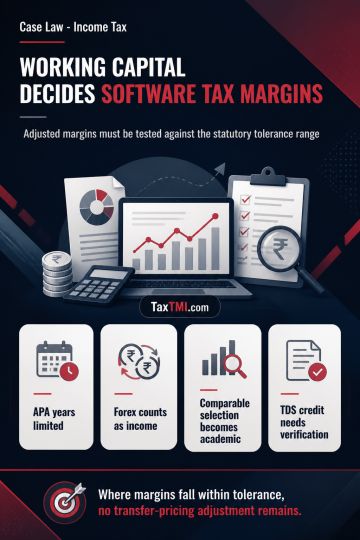
Working-capital adjustment determines whether software-services transfer-pricing margins fall within the statutory tolerance range, eliminating any ad...
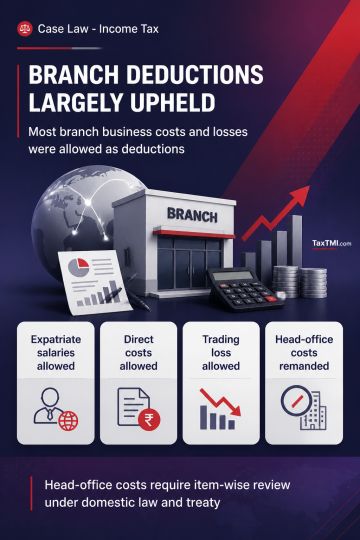
Permanent establishment deductions upheld for expatriate salaries, direct costs and trading losses, while head-office costs require fresh classificati...
ITAT held that the assessee is entitled to depreciation on the intangible asset described as "Right to Collect Toll" under s.32. The Tribunal found that, under the DBFOT contract, the assessee has deemed ownership, acquisition and possession of the underlying project assets, which suffices to satisfy the ownership requirement for depreciation, even though the asset is intangible and cannot be "physically owned" in the manner envisaged by the AO. ITAT distinguished BOT projects relied upon by the Revenue, noting the wider scope of DBFOT and the deemed acquisition of the project by the assessee. The assessee's choice of depreciation instead of amortization was upheld. Revenue's appeal was dismissed.
ITAT held that the assessee is entitled to depreciation on the intangible asset described as "Right to Collect Toll" under s.32. The Tribunal found that, under the DBFOT contract, the assessee has deemed ownership, acquisition and possession of the underlying project assets, which suffices to satisfy the ownership requirement for depreciation, even though the asset is intangible and cannot be "physically owned" in the manner envisaged by the AO. ITAT distinguished BOT projects relied upon by the Revenue, noting the wider scope of DBFOT and the deemed acquisition of the project by the assessee. The assessee's choice of depreciation instead of amortization was upheld. Revenue's appeal was dismissed.
Note: It is a system-generated summary and is for quick reference only.
 TaxTMI
 of 4792





 Join Channel


 TaxTMI