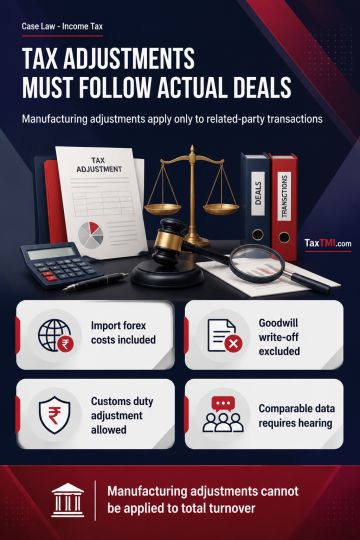
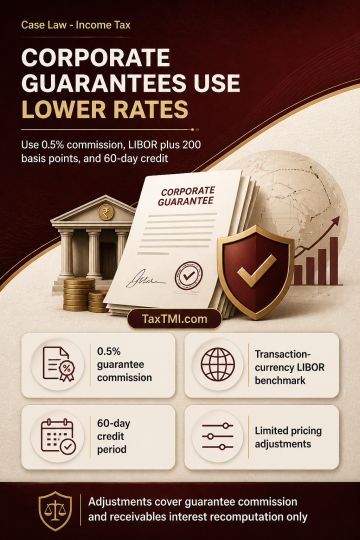
International transaction benchmarking restricts transfer pricing adjustments to associated-enterprise dealings, while functional comparability govern...
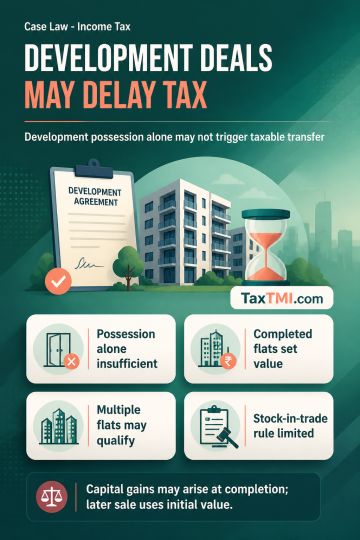
Joint development agreements defer taxable transfer where possession lacks part performance, while completed flats determine consideration and exempti...
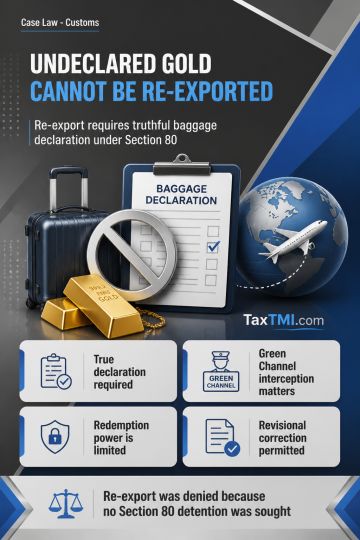
Passenger baggage re-export requires true declaration and cannot be granted indirectly through discretionary redemption of undeclared prohibited goods...
CESTAT held that the seizure of 20 gold biscuits from Appellant A lacked the "reasonable belief" required under s.110(1) of the Customs Act, 1962, as the Dept. failed to establish foreign origin or smuggled character of the goods. Mere foreign markings, doubtful purity, city "town seizure" far from any border, and incomplete testing were found insufficient to prove illicit import. Consequently, s.123 was held inapplicable, and the burden of proof did not shift to Appellant A; the Dept. remained obliged to prove smuggling, which it failed to do. Confiscation under s.111(b) and (d) and penalties under s.112(b)(ii) were set aside. The impugned order was quashed and the appeal of Appellant A was allowed, with consequential relief.
CESTAT held that the seizure of 20 gold biscuits from Appellant A lacked the "reasonable belief" required under s.110(1) of the Customs Act, 1962, as the Dept. failed to establish foreign origin or smuggled character of the goods. Mere foreign markings, doubtful purity, city "town seizure" far from any border, and incomplete testing were found insufficient to prove illicit import. Consequently, s.123 was held inapplicable, and the burden of proof did not shift to Appellant A; the Dept. remained obliged to prove smuggling, which it failed to do. Confiscation under s.111(b) and (d) and penalties under s.112(b)(ii) were set aside. The impugned order was quashed and the appeal of Appellant A was allowed, with consequential relief.
Note: It is a system-generated summary and is for quick reference only.
 TaxTMI
 of 4782





 Join Channel


 TaxTMI
