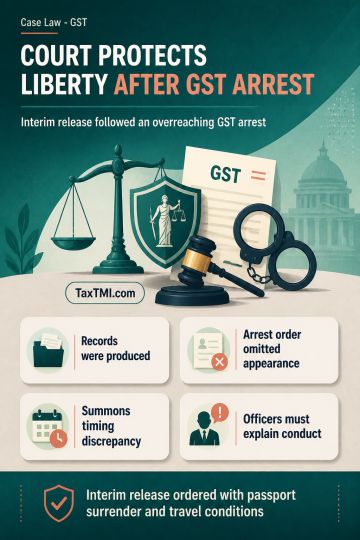
Personal liberty safeguards restrict arrest after court-directed GST appearance, requiring interim release where authorities overreach pending proceed...
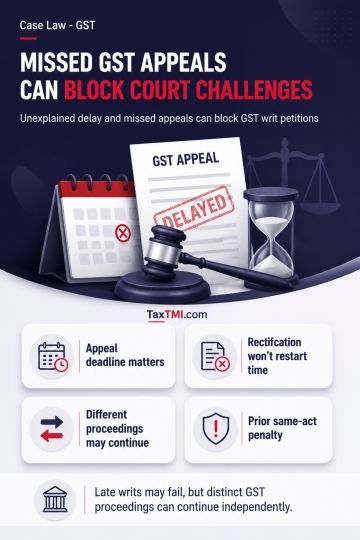
Alternative statutory remedy and delay bar GST writ challenges despite pending rectification, while distinct subject matter permits parallel proceedin...
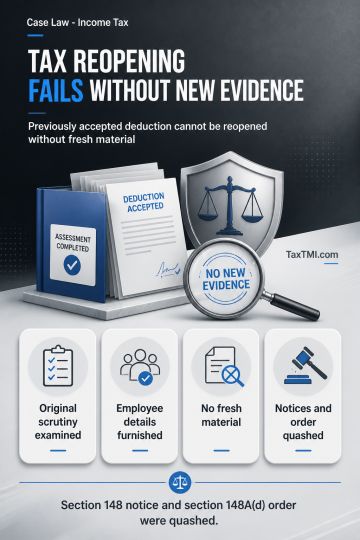
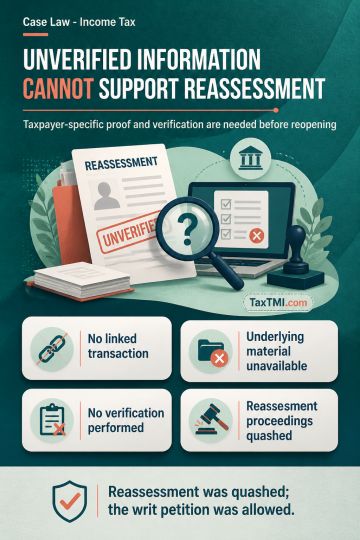
Unverified Insight Portal Information Cannot Justify Reassessment Without a Verified Taxpayer-Specific Income-Escape Nexus or Demonstrated Application...
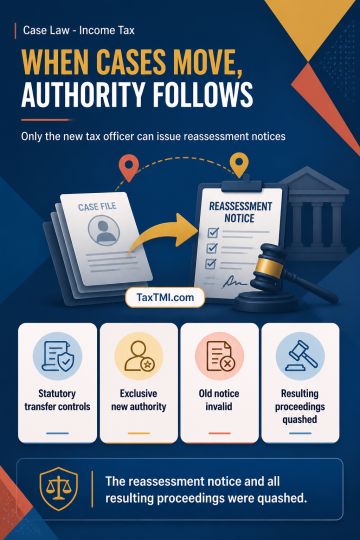
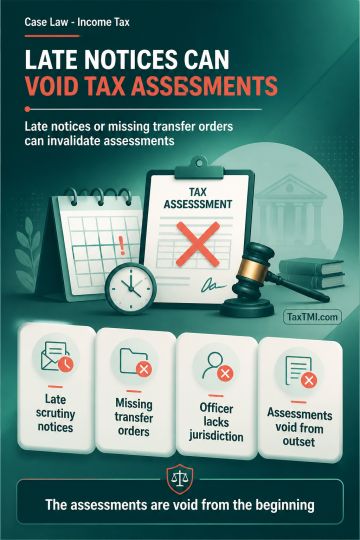
Assessing Officer jurisdiction after statutory transfer invalidates reassessment notices issued by transferor officers and nullifies resulting proceed...
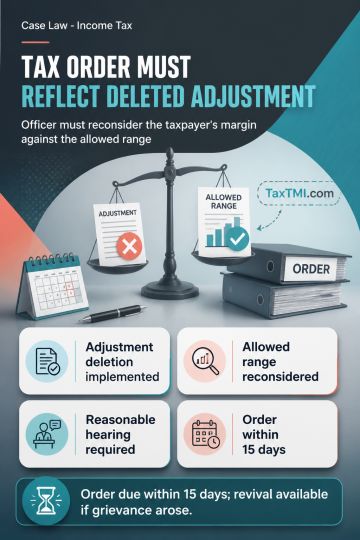
Consequential appeal-effect orders must implement rectification deleting working-capital adjustments and reconsider the resulting arm's-length range c...
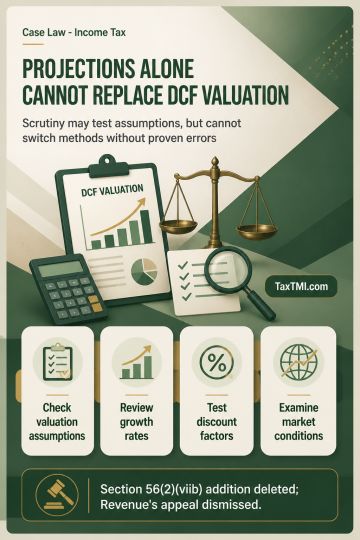
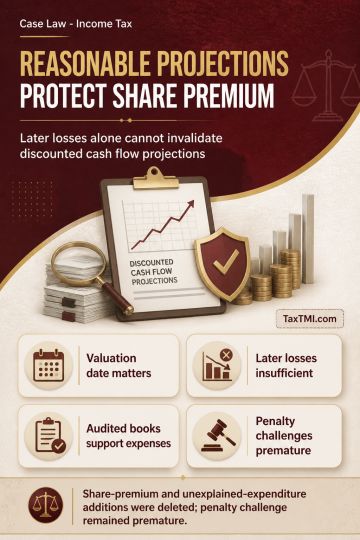
Discounted cash flow valuation protects share premium where projections are reasonable, while audited book expenses defeat unexplained-expenditure add...
CESTAT held that the seizure of 20 gold biscuits from Appellant A lacked the "reasonable belief" required under s.110(1) of the Customs Act, 1962, as the Dept. failed to establish foreign origin or smuggled character of the goods. Mere foreign markings, doubtful purity, city "town seizure" far from any border, and incomplete testing were found insufficient to prove illicit import. Consequently, s.123 was held inapplicable, and the burden of proof did not shift to Appellant A; the Dept. remained obliged to prove smuggling, which it failed to do. Confiscation under s.111(b) and (d) and penalties under s.112(b)(ii) were set aside. The impugned order was quashed and the appeal of Appellant A was allowed, with consequential relief.
CESTAT held that the seizure of 20 gold biscuits from Appellant A lacked the "reasonable belief" required under s.110(1) of the Customs Act, 1962, as the Dept. failed to establish foreign origin or smuggled character of the goods. Mere foreign markings, doubtful purity, city "town seizure" far from any border, and incomplete testing were found insufficient to prove illicit import. Consequently, s.123 was held inapplicable, and the burden of proof did not shift to Appellant A; the Dept. remained obliged to prove smuggling, which it failed to do. Confiscation under s.111(b) and (d) and penalties under s.112(b)(ii) were set aside. The impugned order was quashed and the appeal of Appellant A was allowed, with consequential relief.
Note: It is a system-generated summary and is for quick reference only.
 TaxTMI
  TaxTMI