Transfer pricing and tax deductions upheld on established principles, while employee contributions and warranty provisions returned for fresh examinat...
Captive transfer pricing relies on industrial consumer tariffs, while genuine quotations can benchmark effluent treatment transfers under the Other Me...
Specific tariff classification for ophthalmic instruments and extended limitation principles determine the treatment of duty demands, confiscation, an...
Integrated golf function determines classification, placing launch monitors and simulators under other golf equipment rather than measuring instrument...
Public servant status under anti-corruption law extends to recognised stock exchange leadership; constitutional and sanction challenges do not succeed...
Acquiescence, homebuyer protection and clean-slate resolution principles prevent landowners from disrupting an integrated project through late termina...
CESTAT allowed the appeals filed by various anonymous tile manufacturers and associated noticees, setting aside the entire demand of central excise duty, interest and penalties arising from alleged clandestine manufacture and removal of ceramic/vitrified tiles and sanitaryware. The Tribunal held that the Dept. failed to discharge its burden of proof, as the case rested almost entirely on uncorroborated third-party statements, scribbled bank entries and assumptions, without seizure of offending goods, excess stock, corroborative transport documents, or evidence of excess raw material, power consumption or labour. CESTAT also noted non-compliance with s. 9D of the Central Excise Act, 1944, since key statements were neither properly examined in chief nor subjected to cross-examination. Finding the investigation slipshod and the evidentiary standard of preponderance of probability unmet, CESTAT ruled that the allegation of clandestine removal was unsustainable, rendering all consequential demands and penalties invalid.
CESTAT allowed the appeals filed by various anonymous tile manufacturers and associated noticees, setting aside the entire demand of central excise duty, interest and penalties arising from alleged clandestine manufacture and removal of ceramic/vitrified tiles and sanitaryware. The Tribunal held that the Dept. failed to discharge its burden of proof, as the case rested almost entirely on uncorroborated third-party statements, scribbled bank entries and assumptions, without seizure of offending goods, excess stock, corroborative transport documents, or evidence of excess raw material, power consumption or labour. CESTAT also noted non-compliance with s. 9D of the Central Excise Act, 1944, since key statements were neither properly examined in chief nor subjected to cross-examination. Finding the investigation slipshod and the evidentiary standard of preponderance of probability unmet, CESTAT ruled that the allegation of clandestine removal was unsustainable, rendering all consequential demands and penalties invalid.
Note: It is a system-generated summary and is for quick reference only.
 TaxTMI
 of 4805














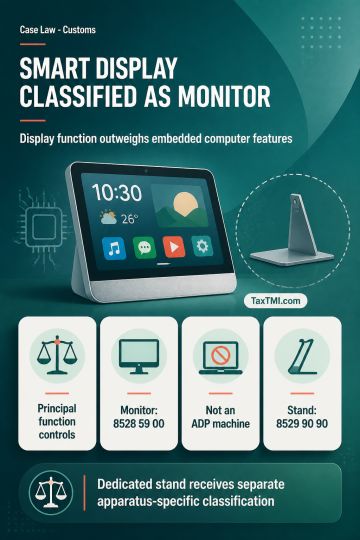

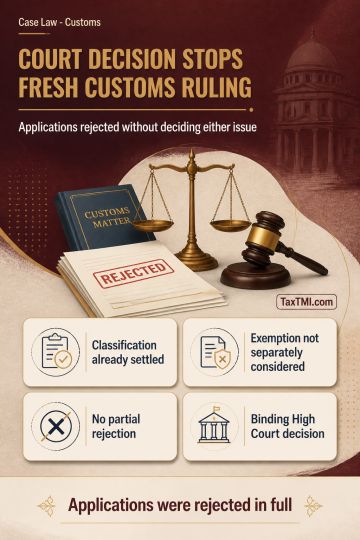

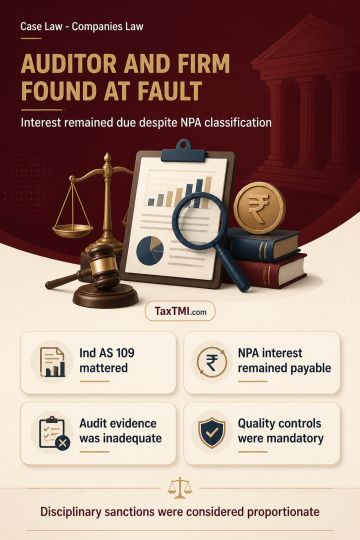



 Join Channel


 TaxTMI