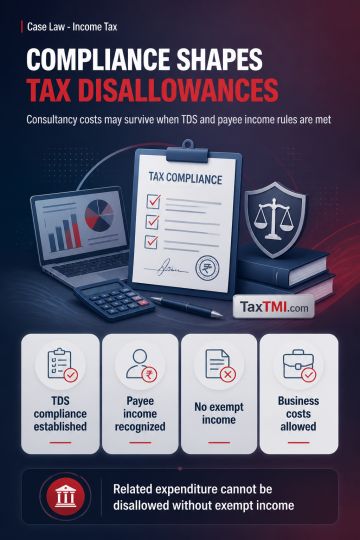
Tax deduction compliance and payee income recognition govern consultancy disallowance, while no exempt income prevents related expenditure disallowanc...
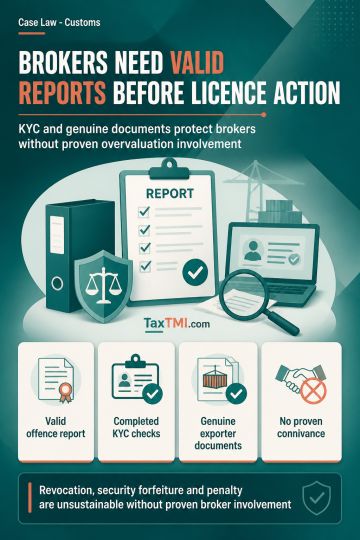
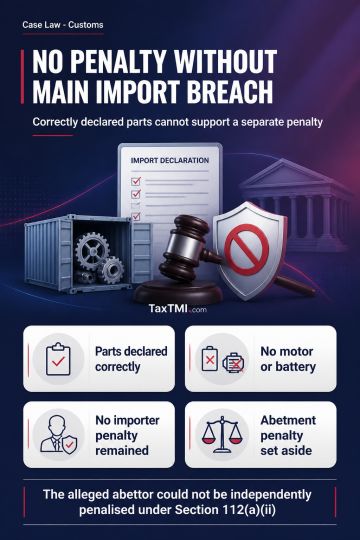
Derivative abetment liability fails when correctly declared imported components establish no underlying improper importation by the principal importer...
The SC held that the complainant, a corporate entity, was not a "consumer" under Section 2(1)(d) of the Consumer Protection Act, 1986 because the purchase of a software license was for commercial purposes to automate operations and maximise profits, not for self-employment or personal livelihood. The Court distinguished self-employed individuals from corporate entities, observing that the Explanation excludes only goods/services used exclusively for earning livelihood by self-employment. Both the State Commission and the National Commission correctly found lack of maintainability of the complaint on the consumer law forum. Consequently, the complaint was non-maintainable under the Act and the appeal was dismissed.
The SC held that the complainant, a corporate entity, was not a "consumer" under Section 2(1)(d) of the Consumer Protection Act, 1986 because the purchase of a software license was for commercial purposes to automate operations and maximise profits, not for self-employment or personal livelihood. The Court distinguished self-employed individuals from corporate entities, observing that the Explanation excludes only goods/services used exclusively for earning livelihood by self-employment. Both the State Commission and the National Commission correctly found lack of maintainability of the complaint on the consumer law forum. Consequently, the complaint was non-maintainable under the Act and the appeal was dismissed.
Note: It is a system-generated summary and is for quick reference only.
 TaxTMI
 of 4792



 Join Channel


 TaxTMI
