Working-capital adjustment determines whether software-services transfer-pricing margins fall within the statutory tolerance range, eliminating any ad...
Permanent establishment deductions upheld for expatriate salaries, direct costs and trading losses, while head-office costs require fresh classificati...
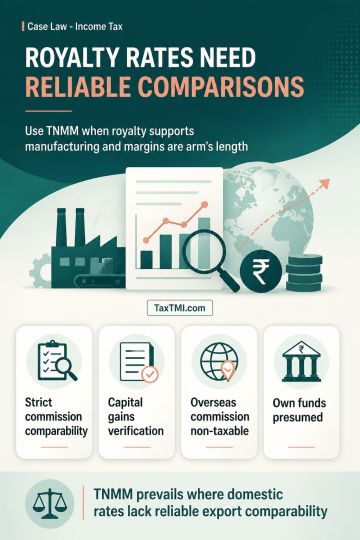
Data transmission equipment classification under CTSH 8517 62 remains distinct from residual classification, with exemption evidence requiring scrutin...
The HC allowed the writ in part, holding that retrospective cancellation of the GST registration was unsustainable where the SCN did not propose retrospective cancellation; accordingly the cancellation shall take effect from the date of issuance of the SCN (2 February 2022). The Court observed that, despite delay, it would entertain the petition due to intervening circumstances including the death of a partner and dissolution of the firm. The HC concluded that principles of natural justice were not breached in a manner warranting retrospective relief and disposed of the petition, directing that the impugned order operate prospectively from the SCN date.
The HC allowed the writ in part, holding that retrospective cancellation of the GST registration was unsustainable where the SCN did not propose retrospective cancellation; accordingly the cancellation shall take effect from the date of issuance of the SCN (2 February 2022). The Court observed that, despite delay, it would entertain the petition due to intervening circumstances including the death of a partner and dissolution of the firm. The HC concluded that principles of natural justice were not breached in a manner warranting retrospective relief and disposed of the petition, directing that the impugned order operate prospectively from the SCN date.
Note: It is a system-generated summary and is for quick reference only.
 TaxTMI
 of 4805




















 Join Channel


 TaxTMI