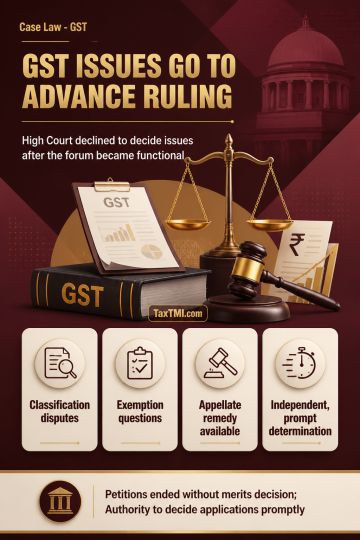
Advance-ruling mechanism governs pending GST classification, exemption and taxability disputes, limiting writ review once the specialised forum functi...
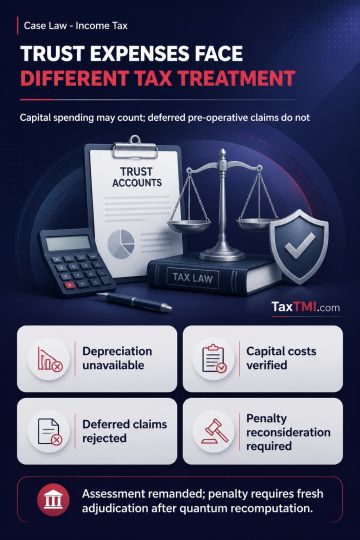
Charitable trust income application permits verified capital expenditure but rejects deferred pre-operative claims and requires reconsideration of con...
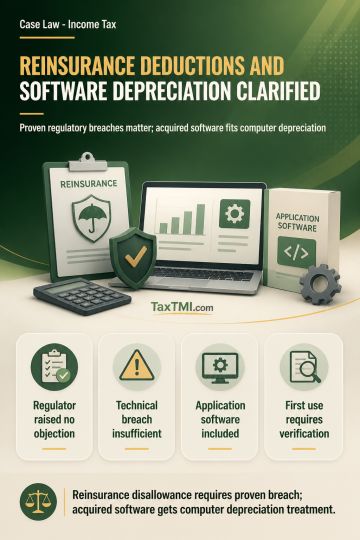
Reinsurance premium deductions require established regulatory breaches, while independently acquired software qualifies within the computer depreciati...
The HC dismissed the writ petition challenging levy of penalties under section 129(1)(a) and 129(1)(b) of the GST Act, upholding the proper officer's decision based on his reasonable belief that the consignor's documents did not substantiate legitimacy of the goods in transit. The court accepted evidentiary inconsistencies, including the driver's statement regarding loading time and place and absence of payment particulars, and declined to resolve ownership genuineness on writ jurisdiction. The petitioner remains entitled to seek immediate release of goods under section 129(1)(b) by application to the proper officer (to be decided within two working days) and to pursue available appellate remedies.
The HC dismissed the writ petition challenging levy of penalties under section 129(1)(a) and 129(1)(b) of the GST Act, upholding the proper officer's decision based on his reasonable belief that the consignor's documents did not substantiate legitimacy of the goods in transit. The court accepted evidentiary inconsistencies, including the driver's statement regarding loading time and place and absence of payment particulars, and declined to resolve ownership genuineness on writ jurisdiction. The petitioner remains entitled to seek immediate release of goods under section 129(1)(b) by application to the proper officer (to be decided within two working days) and to pursue available appellate remedies.
Note: It is a system-generated summary and is for quick reference only.
 TaxTMI
 of 4798








 Join Channel


 TaxTMI
