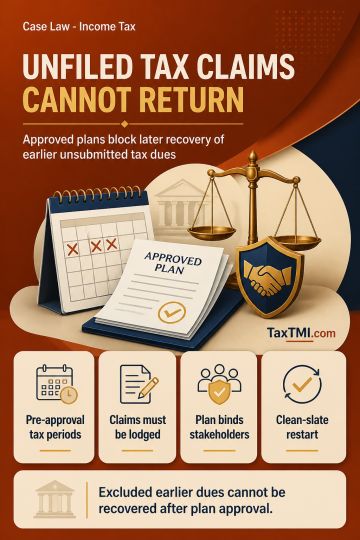
Approved resolution plans extinguish unsubmitted pre-approval tax claims, preventing later recovery outside the insolvency process and preserving a cl...
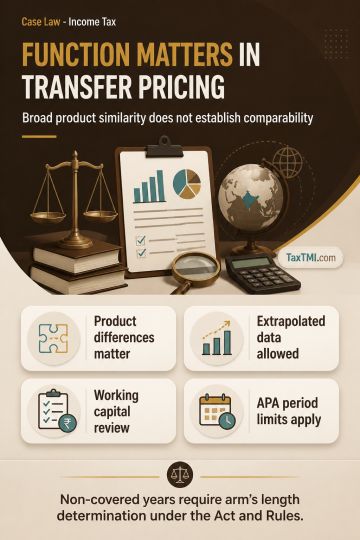
Transfer pricing comparability requires functional alignment and permits working capital adjustment, while APA margins cannot govern non-covered years...
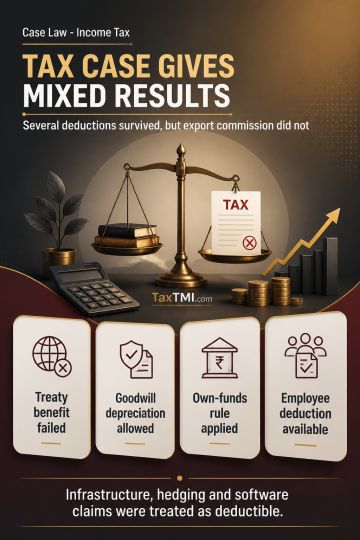
Treaty benefit, goodwill depreciation and hedging costs: export commission disallowed, while key business deductions and depreciation claims succeeded...
The AT upheld the DGAP's finding that the respondent failed to pass on a commensurate reduction in GST on restaurant services, concluding the statutory rebuttable presumption under s.171 CGST Act was not discharged and that the investigating authority permissibly examined all products supplied by the registered person. The Tribunal held the respondent violated s.171(1) (and thereby contravened s.171(3A)) by denying tax-rate benefits to consumers. However, because s.171(3A)'s penal provision took effect after the period of contravention, the AT declined to impose the retrospective penal sanction; liability for the breach was affirmed but no penalty was imposed under the later-enacted provision.
The AT upheld the DGAP's finding that the respondent failed to pass on a commensurate reduction in GST on restaurant services, concluding the statutory rebuttable presumption under s.171 CGST Act was not discharged and that the investigating authority permissibly examined all products supplied by the registered person. The Tribunal held the respondent violated s.171(1) (and thereby contravened s.171(3A)) by denying tax-rate benefits to consumers. However, because s.171(3A)'s penal provision took effect after the period of contravention, the AT declined to impose the retrospective penal sanction; liability for the breach was affirmed but no penalty was imposed under the later-enacted provision.
Note: It is a system-generated summary and is for quick reference only.
 TaxTMI
 of 4805



 Join Channel


 TaxTMI
