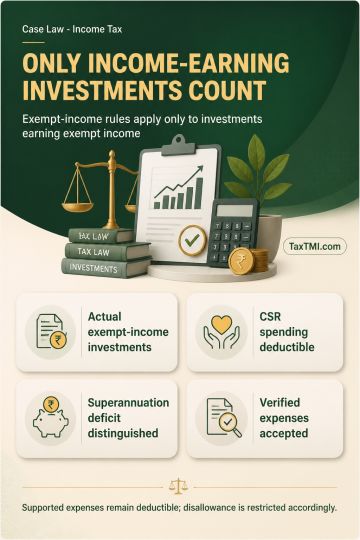
Exempt-income expenditure disallowance is confined to investments that actually generated exempt income, while supported business expenses remain dedu...
Objective characteristics and principal use govern mining-tyre classification, while fresh advance ruling applications may rely on additional technica...
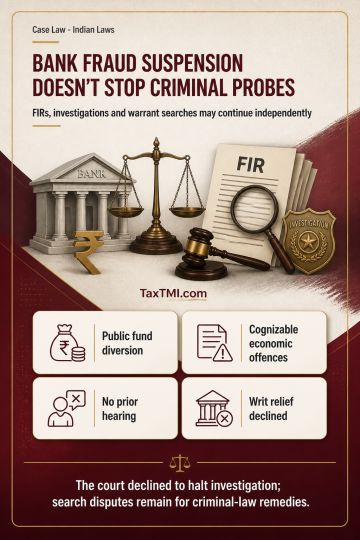
Administrative fraud classification suspension does not halt independent criminal investigation or warrant-based searches into alleged economic offenc...
The AT upheld the DGAP's finding that the respondent failed to pass on a commensurate reduction in GST on restaurant services, concluding the statutory rebuttable presumption under s.171 CGST Act was not discharged and that the investigating authority permissibly examined all products supplied by the registered person. The Tribunal held the respondent violated s.171(1) (and thereby contravened s.171(3A)) by denying tax-rate benefits to consumers. However, because s.171(3A)'s penal provision took effect after the period of contravention, the AT declined to impose the retrospective penal sanction; liability for the breach was affirmed but no penalty was imposed under the later-enacted provision.
The AT upheld the DGAP's finding that the respondent failed to pass on a commensurate reduction in GST on restaurant services, concluding the statutory rebuttable presumption under s.171 CGST Act was not discharged and that the investigating authority permissibly examined all products supplied by the registered person. The Tribunal held the respondent violated s.171(1) (and thereby contravened s.171(3A)) by denying tax-rate benefits to consumers. However, because s.171(3A)'s penal provision took effect after the period of contravention, the AT declined to impose the retrospective penal sanction; liability for the breach was affirmed but no penalty was imposed under the later-enacted provision.
Note: It is a system-generated summary and is for quick reference only.
 TaxTMI
 of 4801












 Join Channel


 TaxTMI