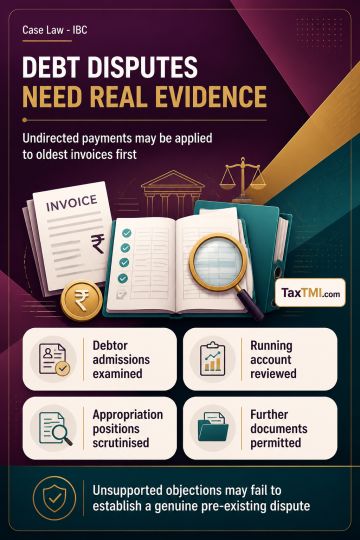
Pre-existing operational debt disputes require genuine evidence, while undirected running-account payments may be appropriated on a first-in-first-out...
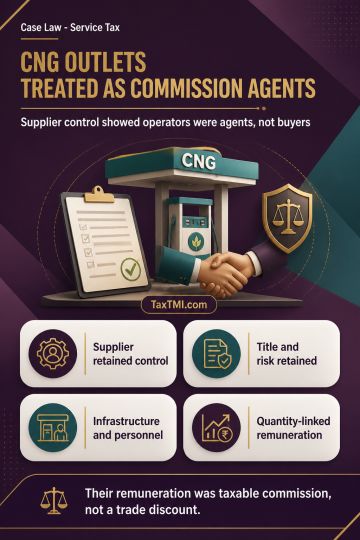
Agency in CNG distribution makes outlet operators commission agents, rendering taxable Business Auxiliary Service rather than purchasing goods for res...
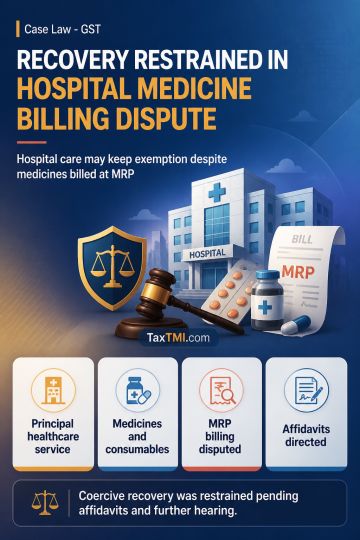
Composite inpatient healthcare supply may retain exemption despite MRP medicine billing, while separate taxable sale characterisation remains disputed...
The HC held that a cash loan of Rs. 5 lakhs, though in violation of Section 269SS of the IT Act, does not negate its status as a legally enforceable debt under Section 138 of the NI Act. The Trial Court's finding that the loan was unenforceable due to non-compliance with Section 269SS was overturned. The accused admitted signing the cheque, triggering the statutory presumption under Section 139 of the NI Act. The claim that the cheque was blank when issued did not discharge the accused's burden to rebut the presumption. Allegations of forgery were dismissed as minor clerical corrections without prejudice. Consequently, the accused failed to rebut the presumption of liability, and the essential ingredients of the offence under Section 138 NI Act were established. The conviction under Section 138 NI Act was restored, the Trial Court's judgment set aside, and the matter was remanded for sentencing.
The HC held that a cash loan of Rs. 5 lakhs, though in violation of Section 269SS of the IT Act, does not negate its status as a legally enforceable debt under Section 138 of the NI Act. The Trial Court's finding that the loan was unenforceable due to non-compliance with Section 269SS was overturned. The accused admitted signing the cheque, triggering the statutory presumption under Section 139 of the NI Act. The claim that the cheque was blank when issued did not discharge the accused's burden to rebut the presumption. Allegations of forgery were dismissed as minor clerical corrections without prejudice. Consequently, the accused failed to rebut the presumption of liability, and the essential ingredients of the offence under Section 138 NI Act were established. The conviction under Section 138 NI Act was restored, the Trial Court's judgment set aside, and the matter was remanded for sentencing.
Note: It is a system-generated summary and is for quick reference only.
 TaxTMI
 of 4800







 Join Channel


 TaxTMI