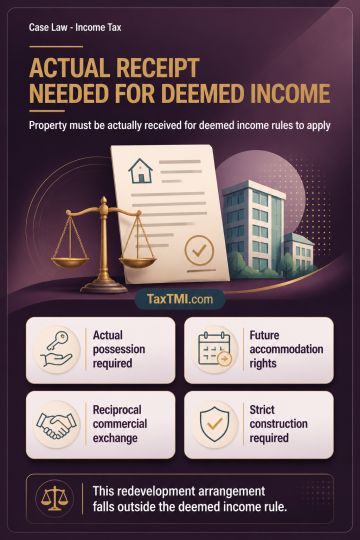
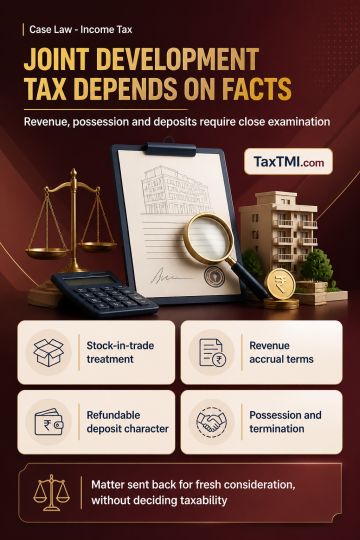
Receipt of immovable property requires actual possession or enjoyment; redevelopment allotments exchanged for tenancy rights fall outside deemed incom...
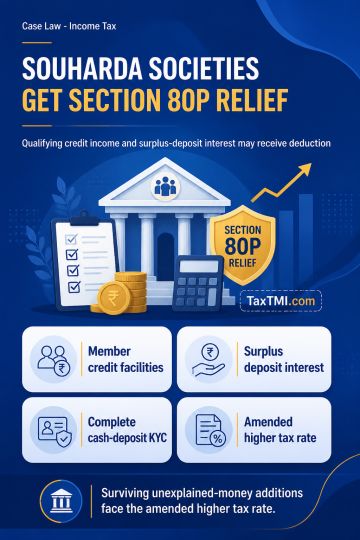
Section 80P deduction covers Souharda credit societies, including qualifying surplus-deposit interest, subject to member KYC verification for cash dep...
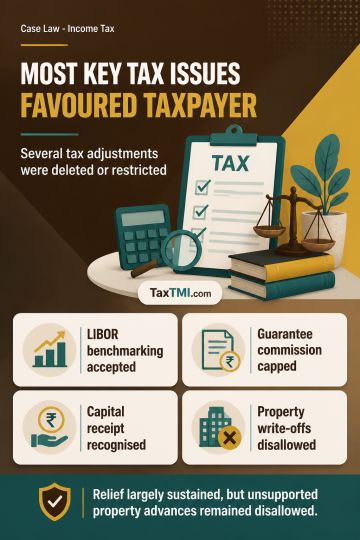
Transfer-pricing benchmarking and capital-receipt principles sustained taxpayer relief, while unsupported property-advance write-offs remained disallo...
The HC held that a cash loan of Rs. 5 lakhs, though in violation of Section 269SS of the IT Act, does not negate its status as a legally enforceable debt under Section 138 of the NI Act. The Trial Court's finding that the loan was unenforceable due to non-compliance with Section 269SS was overturned. The accused admitted signing the cheque, triggering the statutory presumption under Section 139 of the NI Act. The claim that the cheque was blank when issued did not discharge the accused's burden to rebut the presumption. Allegations of forgery were dismissed as minor clerical corrections without prejudice. Consequently, the accused failed to rebut the presumption of liability, and the essential ingredients of the offence under Section 138 NI Act were established. The conviction under Section 138 NI Act was restored, the Trial Court's judgment set aside, and the matter was remanded for sentencing.
The HC held that a cash loan of Rs. 5 lakhs, though in violation of Section 269SS of the IT Act, does not negate its status as a legally enforceable debt under Section 138 of the NI Act. The Trial Court's finding that the loan was unenforceable due to non-compliance with Section 269SS was overturned. The accused admitted signing the cheque, triggering the statutory presumption under Section 139 of the NI Act. The claim that the cheque was blank when issued did not discharge the accused's burden to rebut the presumption. Allegations of forgery were dismissed as minor clerical corrections without prejudice. Consequently, the accused failed to rebut the presumption of liability, and the essential ingredients of the offence under Section 138 NI Act were established. The conviction under Section 138 NI Act was restored, the Trial Court's judgment set aside, and the matter was remanded for sentencing.
Note: It is a system-generated summary and is for quick reference only.
 TaxTMI
 of 4798







 Join Channel


 TaxTMI