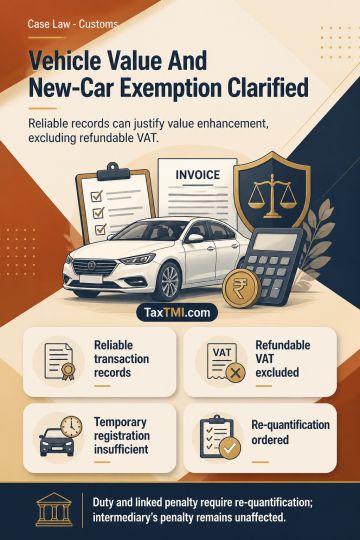
Transaction value rejection requires reliable corroboration; refundable VAT is excluded and temporary registration does not defeat new-vehicle exempti...
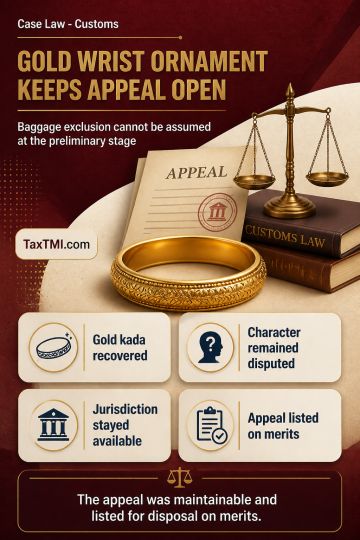
Appellate jurisdiction remains available where a wrist-worn gold ornament cannot conclusively be characterised as imported baggage at the preliminary ...
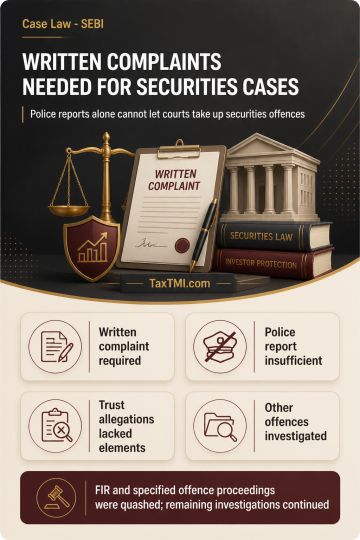
Written complaint requirement bars cognizance on police reports for securities offences, while unsupported breach of trust and cheating allegations fa...
Risk-based postal import clearance standardises electronic assessment, document requests, duty realisation and delivery controls at Foreign Post Offic...
Page of 4786
Press 'Enter' after typing page number.
61 to 80 of 95715 Results
❮
❯
❯❯
0 / 200
Expand Note
Add to Folder
No Folders have been created
+
Are you sure you want to delete "My most important" ?
The HC held that a cash loan of Rs. 5 lakhs, though in violation of Section 269SS of the IT Act, does not negate its status as a legally enforceable debt under Section 138 of the NI Act. The Trial Court's finding that the loan was unenforceable due to non-compliance with Section 269SS was overturned. The accused admitted signing the cheque, triggering the statutory presumption under Section 139 of the NI Act. The claim that the cheque was blank when issued did not discharge the accused's burden to rebut the presumption. Allegations of forgery were dismissed as minor clerical corrections without prejudice. Consequently, the accused failed to rebut the presumption of liability, and the essential ingredients of the offence under Section 138 NI Act were established. The conviction under Section 138 NI Act was restored, the Trial Court's judgment set aside, and the matter was remanded for sentencing.
The HC held that a cash loan of Rs. 5 lakhs, though in violation of Section 269SS of the IT Act, does not negate its status as a legally enforceable debt under Section 138 of the NI Act. The Trial Court's finding that the loan was unenforceable due to non-compliance with Section 269SS was overturned. The accused admitted signing the cheque, triggering the statutory presumption under Section 139 of the NI Act. The claim that the cheque was blank when issued did not discharge the accused's burden to rebut the presumption. Allegations of forgery were dismissed as minor clerical corrections without prejudice. Consequently, the accused failed to rebut the presumption of liability, and the essential ingredients of the offence under Section 138 NI Act were established. The conviction under Section 138 NI Act was restored, the Trial Court's judgment set aside, and the matter was remanded for sentencing.
Note: It is a system-generated summary and is for quick reference only.
 TaxTMI
 of 4786




 Join Channel


 TaxTMI