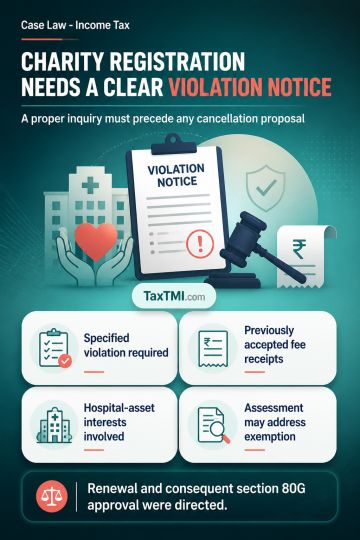
Charitable trust registration requires a specified-violation notice; settled cash deposits and related-party payments did not justify cancellation or ...
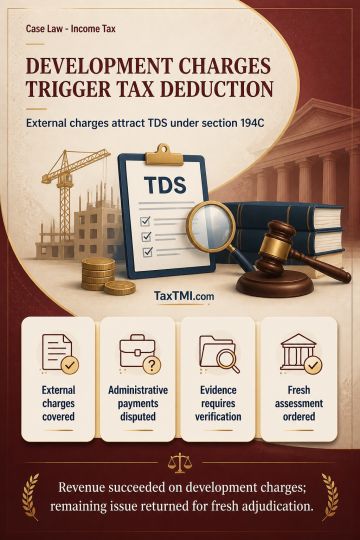
External development charges trigger TDS under section 194C, while disputed administrative payments require factual verification and fresh adjudicatio...
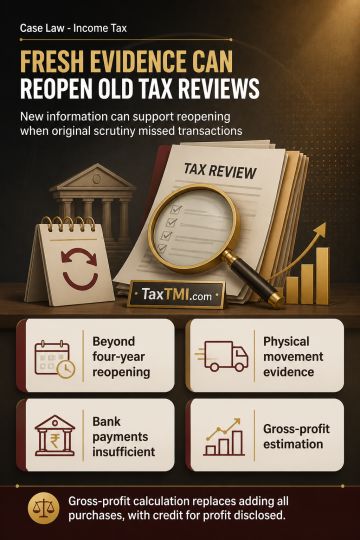
Section 270AA penalty immunity requires identified statutory defaults and a hearing before rejection; reassessment disclosure may constitute under-rep...
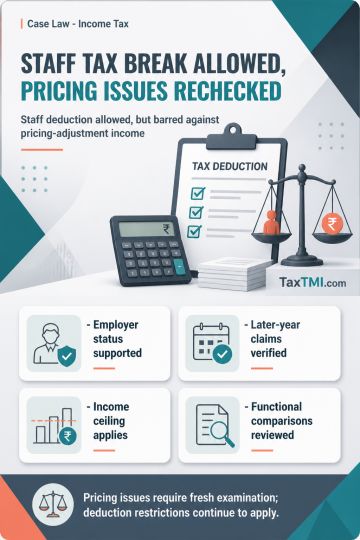
Section 80JJAA employee-cost deduction allowed for deployed staff but barred against transfer-pricing income enhancement, with pricing issues remanded...
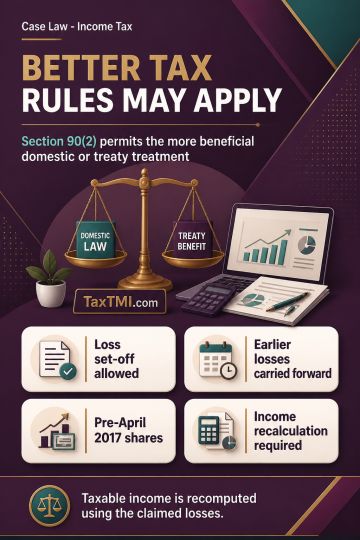
Transfer-pricing methodology protects commercially genuine associated-enterprise payments, while pre-2016 secondary adjustments and related notional i...
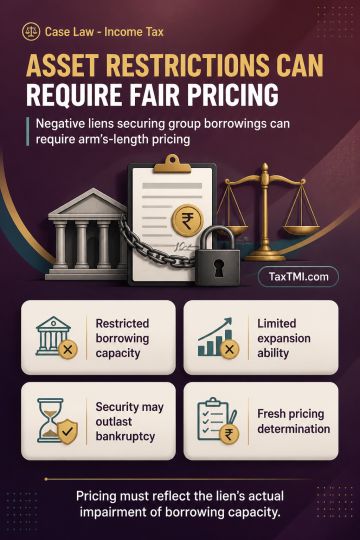
Negative liens over operating assets can constitute international transactions requiring arm's-length pricing reflecting restricted borrowing and expa...
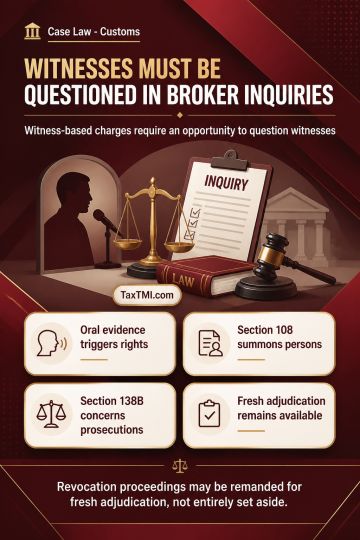
Cross-examination rights in Customs Broker revocation inquiries require witness examination; procedural denial may be cured through fresh adjudication...
The CESTAT held that the extended period of limitation could not be invoked for recovery of service tax on cable operator services involving re-transmission of broadcast signals, restricting the demand to the normal limitation period. The Tribunal affirmed the disallowance of Cenvat credit claimed beyond one year from the date of invoice in accordance with Rule 4(7) of the Cenvat Credit Rules, 2004, rejecting credit taken outside the prescribed timeframe. Penalties under Section 78 were set aside due to the inapplicability of the extended limitation period. The matter was remanded to the original authority for re-quantification of the demand within the normal limitation period. The appeal was partly allowed by way of remand.
The CESTAT held that the extended period of limitation could not be invoked for recovery of service tax on cable operator services involving re-transmission of broadcast signals, restricting the demand to the normal limitation period. The Tribunal affirmed the disallowance of Cenvat credit claimed beyond one year from the date of invoice in accordance with Rule 4(7) of the Cenvat Credit Rules, 2004, rejecting credit taken outside the prescribed timeframe. Penalties under Section 78 were set aside due to the inapplicability of the extended limitation period. The matter was remanded to the original authority for re-quantification of the demand within the normal limitation period. The appeal was partly allowed by way of remand.
Note: It is a system-generated summary and is for quick reference only.
 TaxTMI
  TaxTMI
 of 4828















 Join Channel


