PMLA anticipatory bail requires satisfaction of twin conditions, while predicate-offence protection does not extend to independent money-laundering pr...
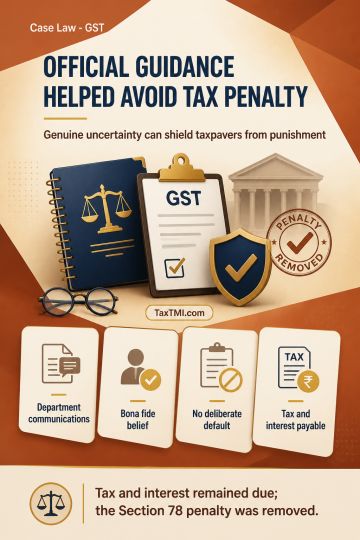
School-affiliation charges remain taxable where not directly connected with examinations, while extended limitation requires proof of deliberate tax e...
The SC affirmed that under Section 11(6A) of the Arbitration and Conciliation Act, 1996, the jurisdiction of courts in arbitrability disputes, including allegations of serious fraud or criminality, is strictly limited to examining the existence of an arbitration agreement. The Court reiterated the principle of separability, confirming that the arbitral tribunal, not the court, is empowered to decide on its own jurisdiction and competence. The referral court's scope of inquiry cannot extend to the merits of the underlying dispute or allegations of fraud. Consequently, the appeal challenging the appointment of an arbitrator on grounds of serious fraud was dismissed, emphasizing adherence to the statutory framework that confines judicial scrutiny to the arbitration agreement's validity alone.
The SC affirmed that under Section 11(6A) of the Arbitration and Conciliation Act, 1996, the jurisdiction of courts in arbitrability disputes, including allegations of serious fraud or criminality, is strictly limited to examining the existence of an arbitration agreement. The Court reiterated the principle of separability, confirming that the arbitral tribunal, not the court, is empowered to decide on its own jurisdiction and competence. The referral court's scope of inquiry cannot extend to the merits of the underlying dispute or allegations of fraud. Consequently, the appeal challenging the appointment of an arbitrator on grounds of serious fraud was dismissed, emphasizing adherence to the statutory framework that confines judicial scrutiny to the arbitration agreement's validity alone.
Note: It is a system-generated summary and is for quick reference only.
 TaxTMI
  TaxTMI
 of 4828
















 Join Channel


