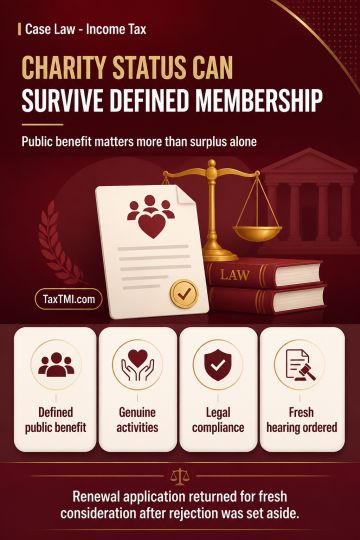
Defined public benefit can retain charitable character; registration renewal requires examining genuine activities and legal compliance, not surplus a...
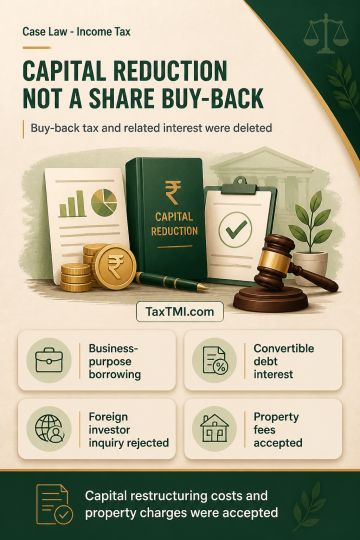
Capital reduction is distinct from share buy-back, preventing buy-back tax; restructuring interest and related business deductions also survive scruti...
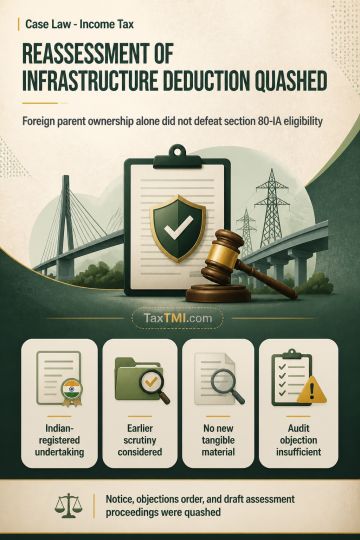
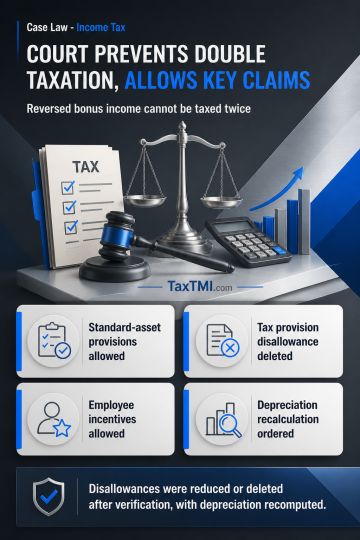
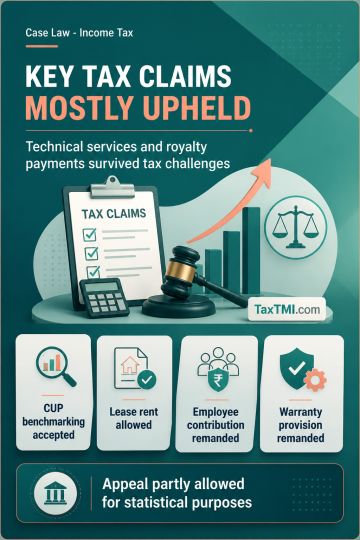
Transfer pricing and tax deductions upheld on established principles, while employee contributions and warranty provisions returned for fresh examinat...
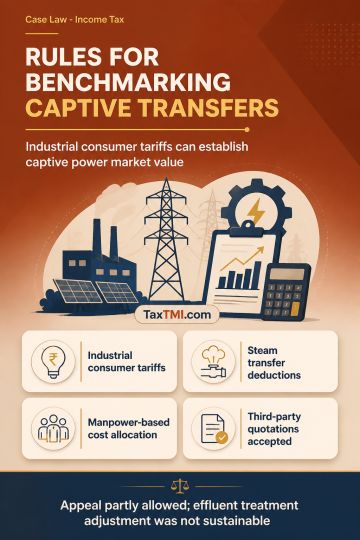
Captive transfer pricing relies on industrial consumer tariffs, while genuine quotations can benchmark effluent treatment transfers under the Other Me...
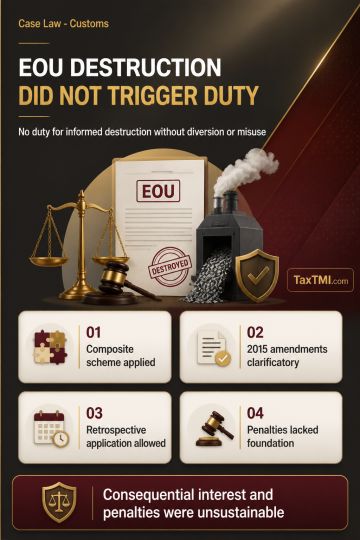
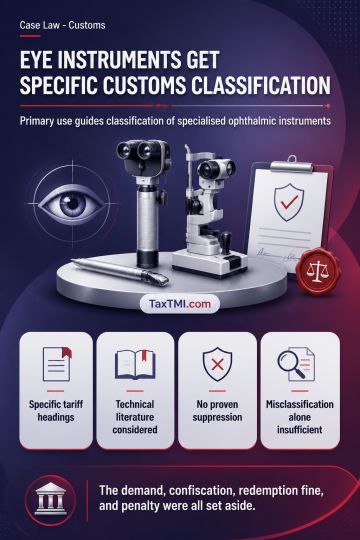
Specific tariff classification for ophthalmic instruments and extended limitation principles determine the treatment of duty demands, confiscation, an...
The AAR held that the applicant's supply does not constitute a "pure service" as defined under Notification No. 12/2017-Central Tax (Rate) dated 28.06.2017, since the consideration received included both the procurement value of goods and service charges without segregation. The applicant failed to satisfy clause (d) of the relevant explanation, which requires distinct treatment of procurement costs separate from service charges to qualify as a pure agent. Consequently, the supply cannot be classified as a pure service, rendering the applicant ineligible for the exemption under Sl. No. 3 of the said notification. The ruling confirms that when goods and services are bundled without clear separation of values, the exemption for pure services does not apply.
The AAR held that the applicant's supply does not constitute a "pure service" as defined under Notification No. 12/2017-Central Tax (Rate) dated 28.06.2017, since the consideration received included both the procurement value of goods and service charges without segregation. The applicant failed to satisfy clause (d) of the relevant explanation, which requires distinct treatment of procurement costs separate from service charges to qualify as a pure agent. Consequently, the supply cannot be classified as a pure service, rendering the applicant ineligible for the exemption under Sl. No. 3 of the said notification. The ruling confirms that when goods and services are bundled without clear separation of values, the exemption for pure services does not apply.
Note: It is a system-generated summary and is for quick reference only.
 TaxTMI
 of 4805



 Join Channel


 TaxTMI