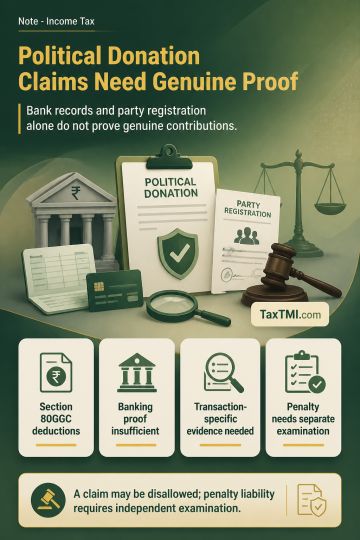
Political contribution deductions require genuine transactions; banking records and party registration alone cannot defeat evidence of accommodation e...
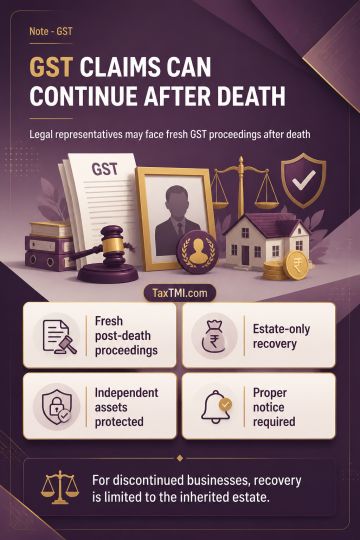
Post-death GST liability permits fresh proceedings against legal representatives, while discontinued-business recovery remains limited to the inherite...
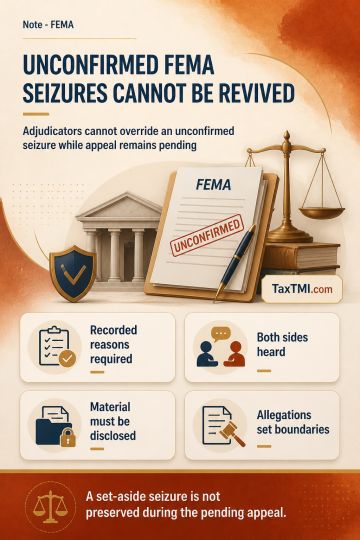
Non-confirmation of FEMA seizure prevents adjudicators from overriding pending appellate findings on recorded reasons and suspected foreign asset hold...
The AAR held that the applicant's supply does not constitute a "pure service" as defined under Notification No. 12/2017-Central Tax (Rate) dated 28.06.2017, since the consideration received included both the procurement value of goods and service charges without segregation. The applicant failed to satisfy clause (d) of the relevant explanation, which requires distinct treatment of procurement costs separate from service charges to qualify as a pure agent. Consequently, the supply cannot be classified as a pure service, rendering the applicant ineligible for the exemption under Sl. No. 3 of the said notification. The ruling confirms that when goods and services are bundled without clear separation of values, the exemption for pure services does not apply.
The AAR held that the applicant's supply does not constitute a "pure service" as defined under Notification No. 12/2017-Central Tax (Rate) dated 28.06.2017, since the consideration received included both the procurement value of goods and service charges without segregation. The applicant failed to satisfy clause (d) of the relevant explanation, which requires distinct treatment of procurement costs separate from service charges to qualify as a pure agent. Consequently, the supply cannot be classified as a pure service, rendering the applicant ineligible for the exemption under Sl. No. 3 of the said notification. The ruling confirms that when goods and services are bundled without clear separation of values, the exemption for pure services does not apply.
Note: It is a system-generated summary and is for quick reference only.
 TaxTMI
  TaxTMI