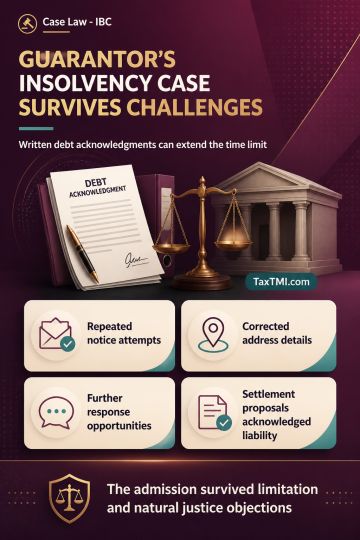
Service of notice and contractual debt acknowledgment preserved insolvency admission against a corporate guarantor despite limitation and natural just...
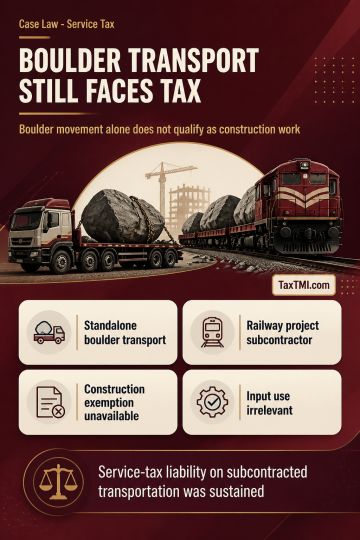
Original works exemption excludes standalone boulder transportation, leaving subcontracted railway-project transport services subject to service tax l...
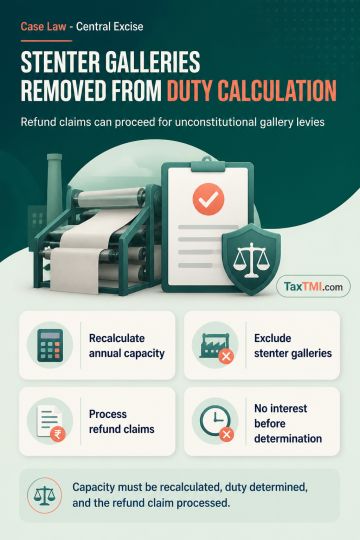
Annual production capacity determinations excluding stenter galleries support refunds for unconstitutional excise levies without an unjust-enrichment ...
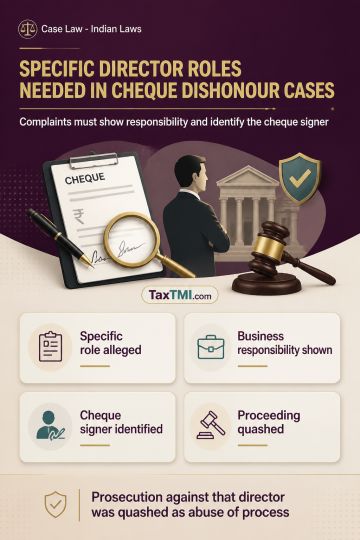
Vicarious liability for cheque dishonour requires specific allegations of responsibility and cheque signatory; generic director allegations cannot sus...
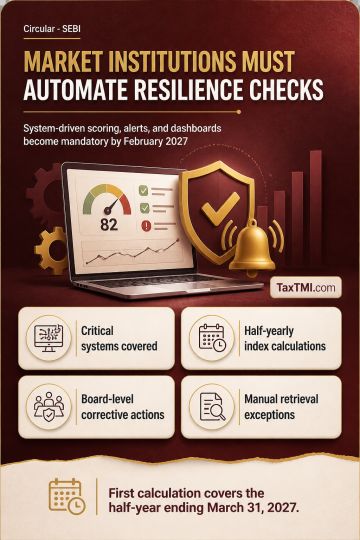
IT Resilience Index requires market infrastructure institutions to automate resilience scoring, early warnings, and continuous service-delivery monito...
The ITAT allowed the assessee's appeal, holding that the warranty provision constitutes an allowable deduction under section 37 of the Act. The tribunal found that the provision was systematically and consistently calculated based on a scientific methodology aligned with the company's business operations and turnover, rather than being arbitrary or a tax avoidance device. It rejected the lower authorities' characterization of the provision as contingent and disallowable, emphasizing that the liability was ascertained, expected to be utilized within a year, and complied with accrual accounting principles and relevant Accounting Standards under the Companies Act, 2013. The tribunal relied on established precedent affirming that such warranty provisions, when reasonably estimated and grounded in business reality, qualify as deductible business expenses. Consequently, the disallowance by the CIT(A) was set aside and the warranty provision was held deductible.
The ITAT allowed the assessee's appeal, holding that the warranty provision constitutes an allowable deduction under section 37 of the Act. The tribunal found that the provision was systematically and consistently calculated based on a scientific methodology aligned with the company's business operations and turnover, rather than being arbitrary or a tax avoidance device. It rejected the lower authorities' characterization of the provision as contingent and disallowable, emphasizing that the liability was ascertained, expected to be utilized within a year, and complied with accrual accounting principles and relevant Accounting Standards under the Companies Act, 2013. The tribunal relied on established precedent affirming that such warranty provisions, when reasonably estimated and grounded in business reality, qualify as deductible business expenses. Consequently, the disallowance by the CIT(A) was set aside and the warranty provision was held deductible.
Note: It is a system-generated summary and is for quick reference only.
 TaxTMI
  TaxTMI
 of 4828






 Join Channel