Original works exemption excludes standalone boulder transportation, leaving subcontracted railway-project transport services subject to service tax l...
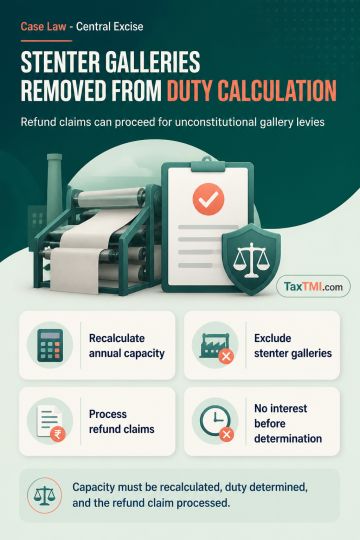
Annual production capacity determinations excluding stenter galleries support refunds for unconstitutional excise levies without an unjust-enrichment ...
Vicarious liability for cheque dishonour requires specific allegations of responsibility and cheque signatory; generic director allegations cannot sus...
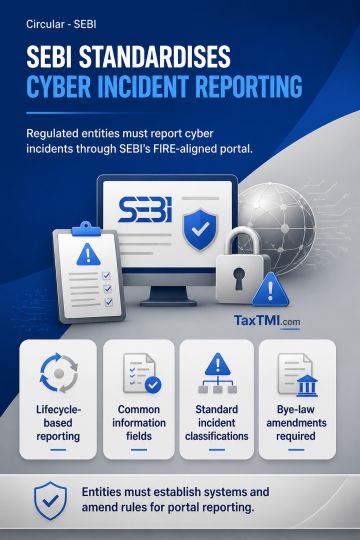
IT Resilience Index requires market infrastructure institutions to automate resilience scoring, early warnings, and continuous service-delivery monito...
The ITAT upheld the rejection of the appellant's audited books under section 145(3) due to failure to furnish any documentary evidence substantiating the correctness of the return or details of inventory clearance following the firm's dissolution. The AO's estimation of income based on 25% of inventory value, reduced from 50%, was affirmed as a reasonable approximation in light of absent records such as stock movement, sales invoices, and bank statements. The appellant's failure to prosecute the appeal before the NFAC and non-compliance with procedural notices further weakened its position. The Tribunal found no merit in the appellant's claims regarding forced stock clearance and ongoing disputes, concluding that the ad-hoc estimations by the tax authorities were justified given the market conditions and appellant's conduct. Consequently, the appeal was dismissed and the impugned order was upheld in its entirety.
The ITAT upheld the rejection of the appellant's audited books under section 145(3) due to failure to furnish any documentary evidence substantiating the correctness of the return or details of inventory clearance following the firm's dissolution. The AO's estimation of income based on 25% of inventory value, reduced from 50%, was affirmed as a reasonable approximation in light of absent records such as stock movement, sales invoices, and bank statements. The appellant's failure to prosecute the appeal before the NFAC and non-compliance with procedural notices further weakened its position. The Tribunal found no merit in the appellant's claims regarding forced stock clearance and ongoing disputes, concluding that the ad-hoc estimations by the tax authorities were justified given the market conditions and appellant's conduct. Consequently, the appeal was dismissed and the impugned order was upheld in its entirety.
Note: It is a system-generated summary and is for quick reference only.
 TaxTMI
  TaxTMI
 of 4830


















 Join Channel


