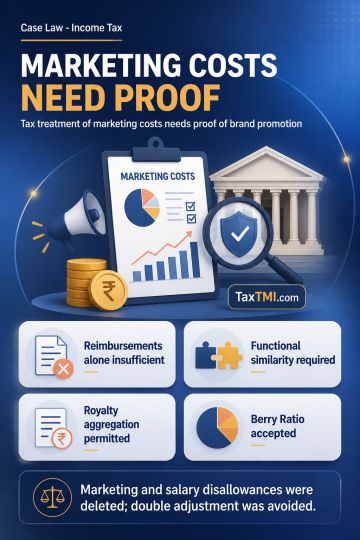
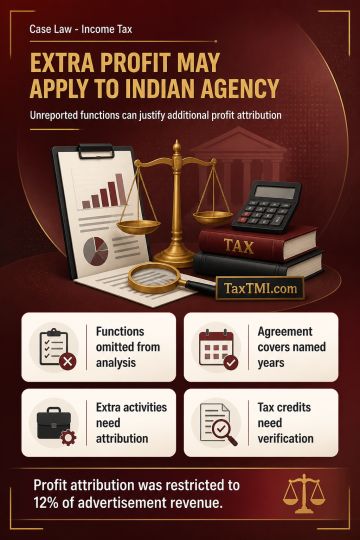
Transfer pricing requires evidence for AMP transactions, functionally reliable comparables, and appropriate aggregation or Berry Ratio benchmarking me...
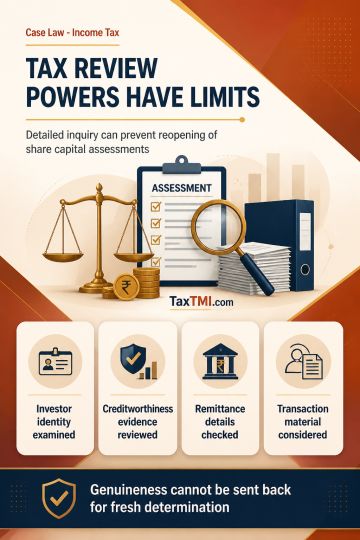
Revisionary jurisdiction cannot reopen share capital assessments where adequate inquiry supports a permissible view and no independent error is establ...
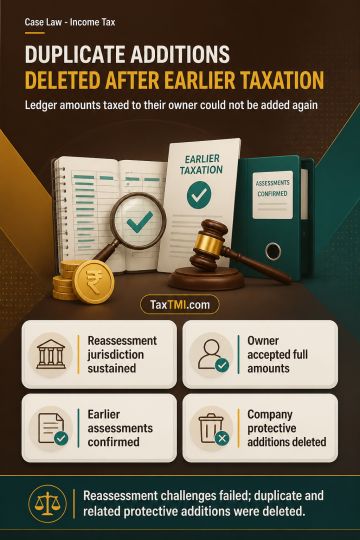
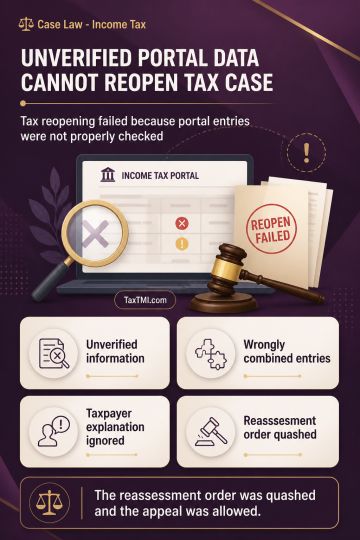
Reassessment jurisdiction fails where unverified portal information is aggregated without examining the taxpayer's explanation or relevance of entries...
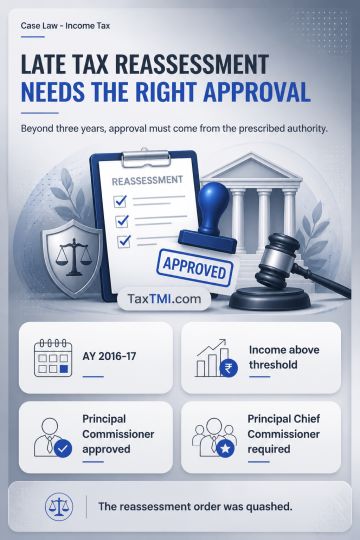
Statutory sanction for delayed reassessment requires approval from the prescribed authority; approval by an inferior authority invalidates jurisdictio...
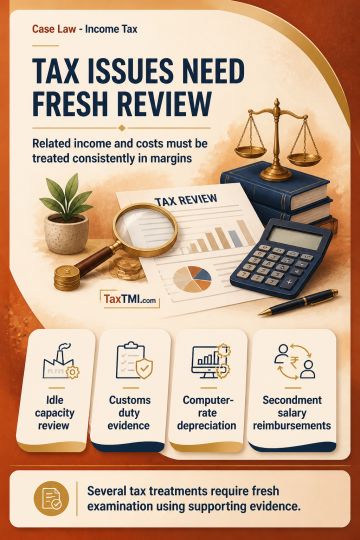
Transfer pricing margin adjustments require matching treatment of non-operating income and related costs, with comparability issues reconsidered on ev...
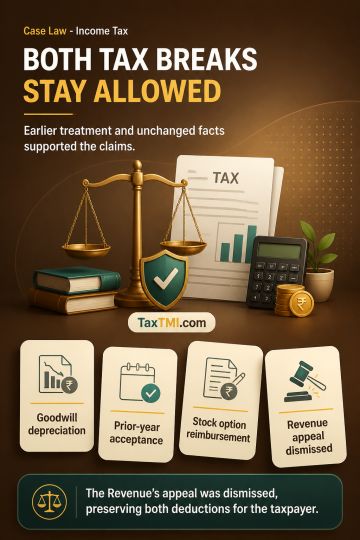
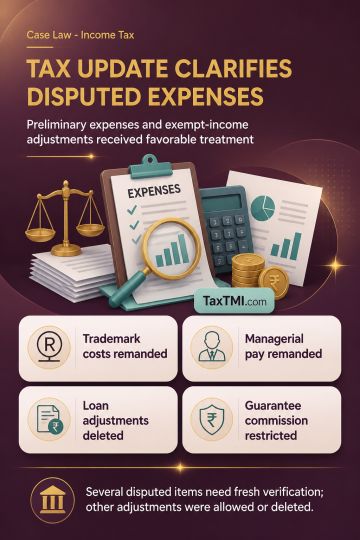
Preliminary-expense amortisation and MAT exempt-income adjustments prevailed, while trademark costs and managerial remuneration require fresh verifica...
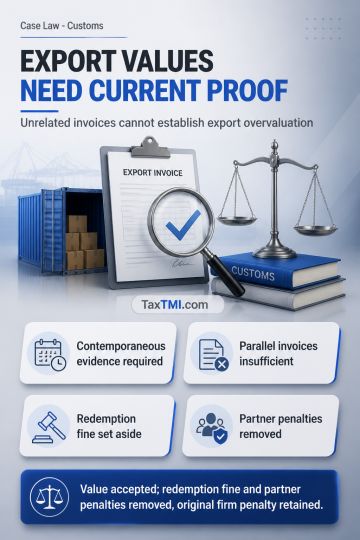
Export valuation requires contemporaneous evidence; unrelated invoices cannot prove overvaluation, and dual penalties on firm and partner are impermis...
The HC dismissed the challenge to the vires of Sections 69 and 132 of the CGST Act, 2017, which confer power to arrest and prescribe punishment, holding that the contention lacked merit in light of the recent Supreme Court decision in Radhika Agarwal v. Union of India. The SC upheld the constitutional validity of these provisions, affirming that Article 246A grants Parliament exclusive legislative competence over GST, including anti-evasion measures. Consequently, the HC found no violation of Articles 14, 20, or 21 of the Constitution and rejected the petitions contesting the legality of Sections 69 and 132. All related writ petitions were disposed of accordingly, with the application being dismissed.
The HC dismissed the challenge to the vires of Sections 69 and 132 of the CGST Act, 2017, which confer power to arrest and prescribe punishment, holding that the contention lacked merit in light of the recent Supreme Court decision in Radhika Agarwal v. Union of India. The SC upheld the constitutional validity of these provisions, affirming that Article 246A grants Parliament exclusive legislative competence over GST, including anti-evasion measures. Consequently, the HC found no violation of Articles 14, 20, or 21 of the Constitution and rejected the petitions contesting the legality of Sections 69 and 132. All related writ petitions were disposed of accordingly, with the application being dismissed.
Note: It is a system-generated summary and is for quick reference only.
 TaxTMI
 of 4796






 Join Channel


 TaxTMI
