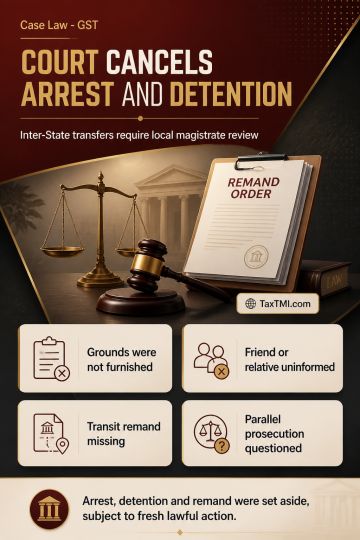
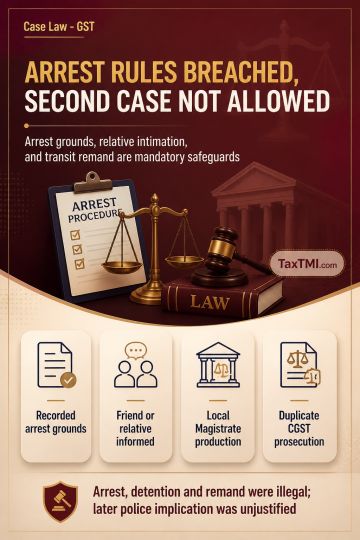
Arrest safeguards and transit remand requirements invalidated detention following inter-State transfer without communicated grounds or magistrate auth...
Arrest safeguards require disclosed grounds, relative intimation and transit remand, while duplicate prosecution under the CGST framework is unsustain...
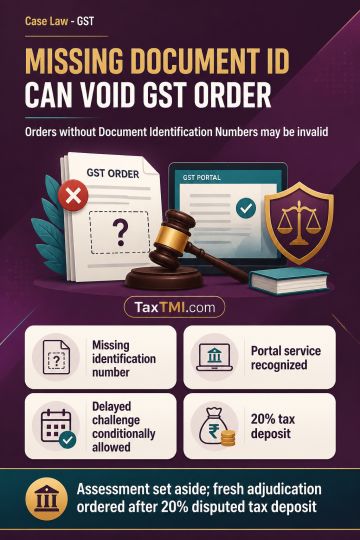
Document Identification Number defects can invalidate GST assessments, with delayed challenges entertained conditionally where patent irregularities e...
Windmill commissioning evidence supported higher depreciation where grid connection and electricity generation proved operational use before the relev...
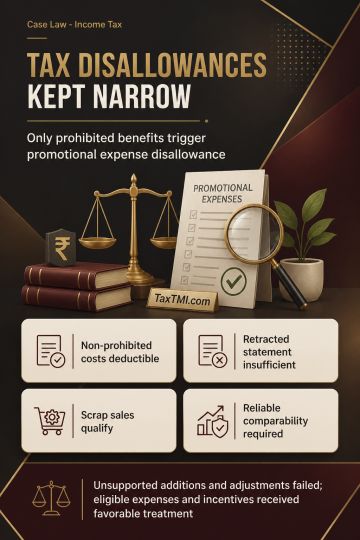
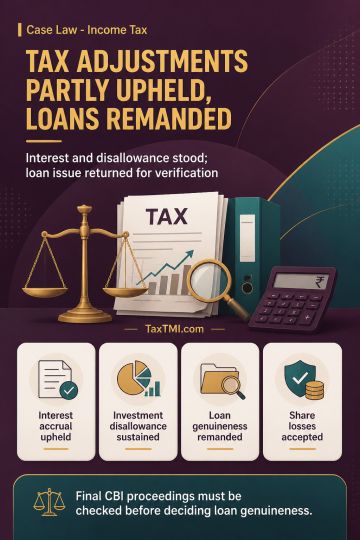
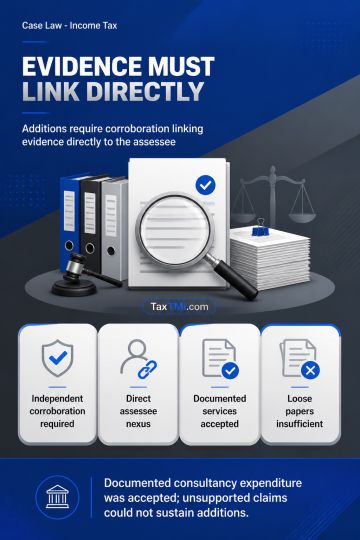
Pharmaceutical promotion and transfer-pricing comparability principles limited disallowances, while uncorroborated search allegations and unsupported ...
The SC allowed the appeal, setting aside the High Court's order that had disallowed the amendment of a complaint under Section 200 Cr.P.C. post-cognizance. The Court held that the criminal court possesses the power to permit amendments addressing curable infirmities in a complaint, provided no prejudice is caused to the accused. Here, the amendment corrected an inadvertent error concerning the product description without altering the complaint's nature or character. Since the amendment occurred before the trial's conclusion and did not prejudice the respondents, the Trial Court rightly allowed it. The High Court erred by considering extraneous issues like GST leviability, which fall outside the criminal trial's scope. The final determination of the amendment's impact on liability is reserved for the Trial Court based on evidence. Consequently, the appeal was allowed, reinstating the Trial Court's order permitting the amendment.
The SC allowed the appeal, setting aside the High Court's order that had disallowed the amendment of a complaint under Section 200 Cr.P.C. post-cognizance. The Court held that the criminal court possesses the power to permit amendments addressing curable infirmities in a complaint, provided no prejudice is caused to the accused. Here, the amendment corrected an inadvertent error concerning the product description without altering the complaint's nature or character. Since the amendment occurred before the trial's conclusion and did not prejudice the respondents, the Trial Court rightly allowed it. The High Court erred by considering extraneous issues like GST leviability, which fall outside the criminal trial's scope. The final determination of the amendment's impact on liability is reserved for the Trial Court based on evidence. Consequently, the appeal was allowed, reinstating the Trial Court's order permitting the amendment.
Note: It is a system-generated summary and is for quick reference only.
 TaxTMI
 of 4796








 Join Channel


 TaxTMI
