Aggregation under TNMM prevents selective testing of intra-group services without comparable uncontrolled transactions, while appellate additional cla...
Protective assessment cannot duplicate identical receipts under competing characterisations; remote services did not establish a taxable permanent est...
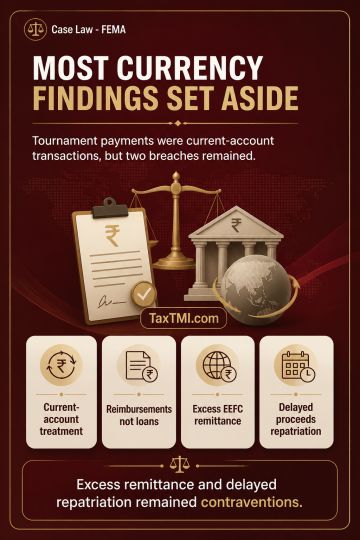
Current account treatment of overseas tournament services removed most FEMA findings, but excess EEFC remittance and delayed repatriation remained bre...
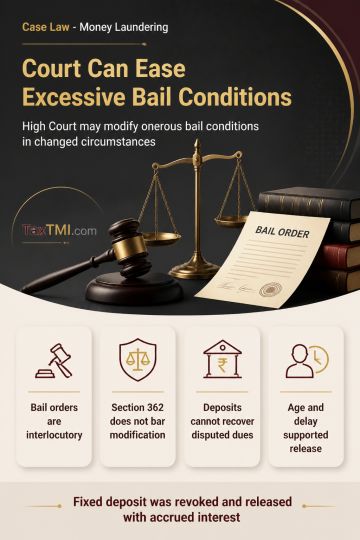
Modification of bail conditions remains available through inherent jurisdiction where onerous deposits undermine justice and cannot recover disputed d...
Merchant banker regulation consolidates registration, governance, capital, reporting, outsourcing and investor-protection requirements under an update...
The SC allowed the appeal, setting aside the High Court's order that had disallowed the amendment of a complaint under Section 200 Cr.P.C. post-cognizance. The Court held that the criminal court possesses the power to permit amendments addressing curable infirmities in a complaint, provided no prejudice is caused to the accused. Here, the amendment corrected an inadvertent error concerning the product description without altering the complaint's nature or character. Since the amendment occurred before the trial's conclusion and did not prejudice the respondents, the Trial Court rightly allowed it. The High Court erred by considering extraneous issues like GST leviability, which fall outside the criminal trial's scope. The final determination of the amendment's impact on liability is reserved for the Trial Court based on evidence. Consequently, the appeal was allowed, reinstating the Trial Court's order permitting the amendment.
The SC allowed the appeal, setting aside the High Court's order that had disallowed the amendment of a complaint under Section 200 Cr.P.C. post-cognizance. The Court held that the criminal court possesses the power to permit amendments addressing curable infirmities in a complaint, provided no prejudice is caused to the accused. Here, the amendment corrected an inadvertent error concerning the product description without altering the complaint's nature or character. Since the amendment occurred before the trial's conclusion and did not prejudice the respondents, the Trial Court rightly allowed it. The High Court erred by considering extraneous issues like GST leviability, which fall outside the criminal trial's scope. The final determination of the amendment's impact on liability is reserved for the Trial Court based on evidence. Consequently, the appeal was allowed, reinstating the Trial Court's order permitting the amendment.
Note: It is a system-generated summary and is for quick reference only.
 TaxTMI
 of 4794














 Join Channel


 TaxTMI