Inherited property sale proceeds require capital-gains treatment where ownership is supported by evidence, not suspicion or unverified signature doubt...
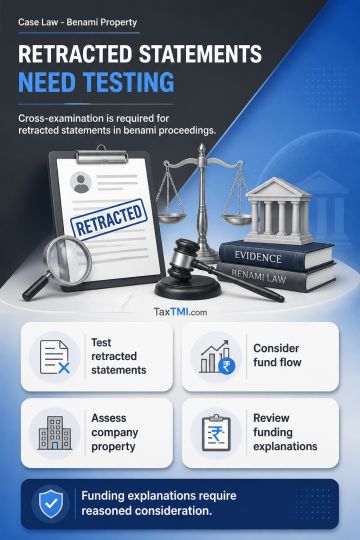
Cross-examination of retracted statements is essential where foundational evidence supports a benami allegation and documented funding explanations re...
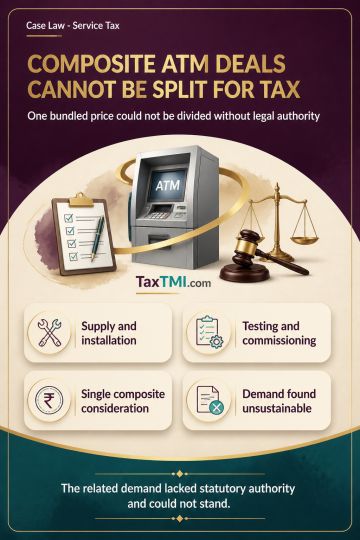
Capital-goods exemption covers plant-modernisation accessories, while the import restriction applies only to earlier capital-goods components and spar...
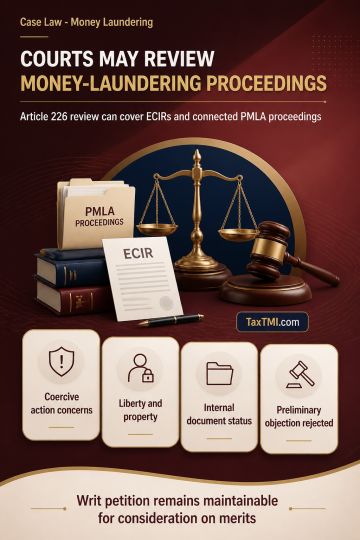
Constitutional judicial review permits challenges to ECIRs and connected money-laundering proceedings where coercive action affects fundamental intere...
The SC allowed the appeal, setting aside the High Court's order that had disallowed the amendment of a complaint under Section 200 Cr.P.C. post-cognizance. The Court held that the criminal court possesses the power to permit amendments addressing curable infirmities in a complaint, provided no prejudice is caused to the accused. Here, the amendment corrected an inadvertent error concerning the product description without altering the complaint's nature or character. Since the amendment occurred before the trial's conclusion and did not prejudice the respondents, the Trial Court rightly allowed it. The High Court erred by considering extraneous issues like GST leviability, which fall outside the criminal trial's scope. The final determination of the amendment's impact on liability is reserved for the Trial Court based on evidence. Consequently, the appeal was allowed, reinstating the Trial Court's order permitting the amendment.
The SC allowed the appeal, setting aside the High Court's order that had disallowed the amendment of a complaint under Section 200 Cr.P.C. post-cognizance. The Court held that the criminal court possesses the power to permit amendments addressing curable infirmities in a complaint, provided no prejudice is caused to the accused. Here, the amendment corrected an inadvertent error concerning the product description without altering the complaint's nature or character. Since the amendment occurred before the trial's conclusion and did not prejudice the respondents, the Trial Court rightly allowed it. The High Court erred by considering extraneous issues like GST leviability, which fall outside the criminal trial's scope. The final determination of the amendment's impact on liability is reserved for the Trial Court based on evidence. Consequently, the appeal was allowed, reinstating the Trial Court's order permitting the amendment.
Note: It is a system-generated summary and is for quick reference only.
 TaxTMI
 of 4792











 Join Channel


 TaxTMI