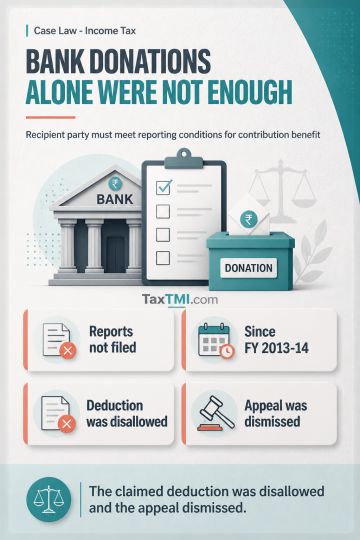
Political contribution deductions require recipient party compliance with contribution-reporting conditions; banking-channel donations alone do not qu...
Aggregation under TNMM prevents selective testing of intra-group services without comparable uncontrolled transactions, while appellate additional cla...
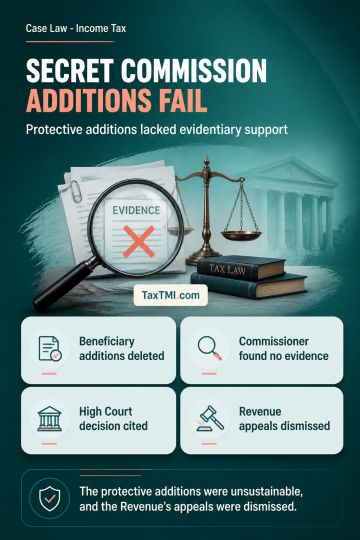
Protective assessment cannot duplicate identical receipts under competing characterisations; remote services did not establish a taxable permanent est...
Current account treatment of overseas tournament services removed most FEMA findings, but excess EEFC remittance and delayed repatriation remained bre...
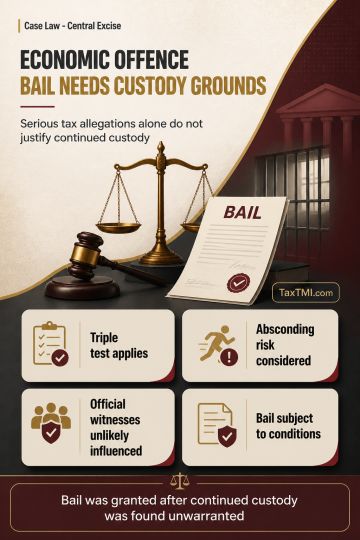
Modification of bail conditions remains available through inherent jurisdiction where onerous deposits undermine justice and cannot recover disputed d...
Merchant banker regulation consolidates registration, governance, capital, reporting, outsourcing and investor-protection requirements under an update...
The HC upheld the assessee's claim for depreciation on revalued assets based on the actual cost paid to the erstwhile partners, rejecting the denial under Explanation 3 to Section 43(1). The court clarified that Rule 5 of the Income Tax Rules, 1962, limits aggregate depreciation to the actual cost of the asset, which, in this case, corresponds to the valuation agreed upon in April 1982 when the original partnership was reconstituted. Despite the dissolution of the original firm in 1984 and changes in partnership, the assessee is entitled to claim depreciation for subsequent years on the actual cost paid. The court further held that familial relationships among partners do not affect this entitlement under the Act. The questions of law were decided in favor of the assessee, affirming the right to depreciation on the revalued asset cost.
The HC upheld the assessee's claim for depreciation on revalued assets based on the actual cost paid to the erstwhile partners, rejecting the denial under Explanation 3 to Section 43(1). The court clarified that Rule 5 of the Income Tax Rules, 1962, limits aggregate depreciation to the actual cost of the asset, which, in this case, corresponds to the valuation agreed upon in April 1982 when the original partnership was reconstituted. Despite the dissolution of the original firm in 1984 and changes in partnership, the assessee is entitled to claim depreciation for subsequent years on the actual cost paid. The court further held that familial relationships among partners do not affect this entitlement under the Act. The questions of law were decided in favor of the assessee, affirming the right to depreciation on the revalued asset cost.
Note: It is a system-generated summary and is for quick reference only.
 TaxTMI
 of 4782
















 Join Channel


 TaxTMI