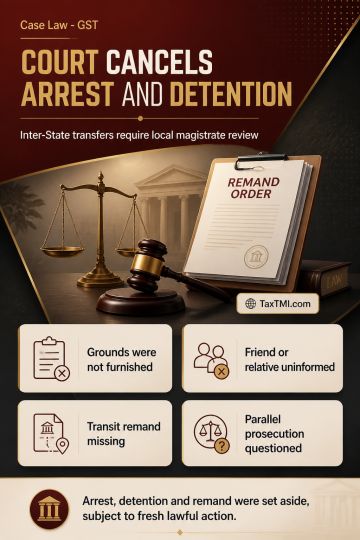
Arrest safeguards and transit remand requirements invalidated detention following inter-State transfer without communicated grounds or magistrate auth...
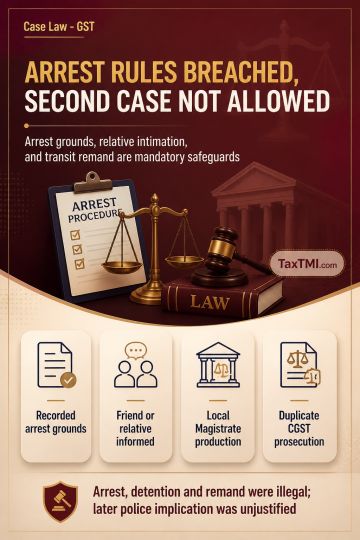
Arrest safeguards require disclosed grounds, relative intimation and transit remand, while duplicate prosecution under the CGST framework is unsustain...
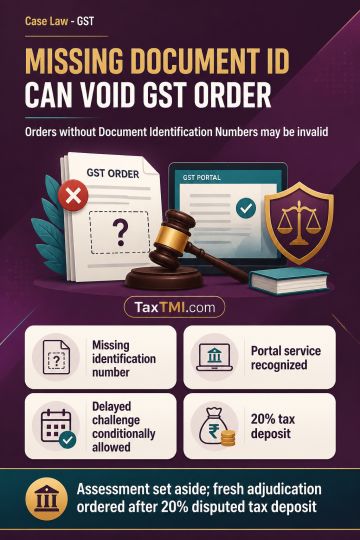
Document Identification Number defects can invalidate GST assessments, with delayed challenges entertained conditionally where patent irregularities e...
Windmill commissioning evidence supported higher depreciation where grid connection and electricity generation proved operational use before the relev...
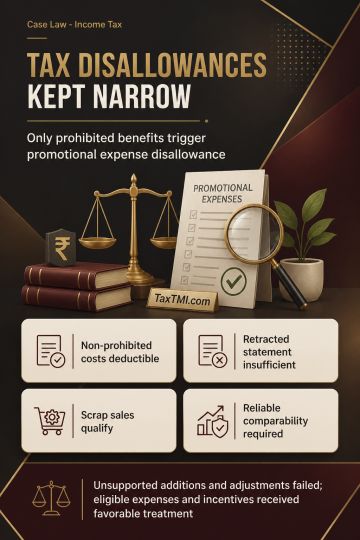
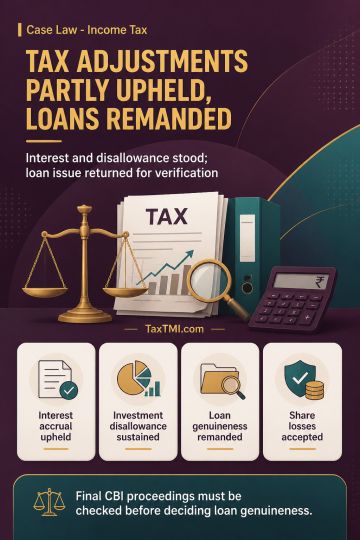
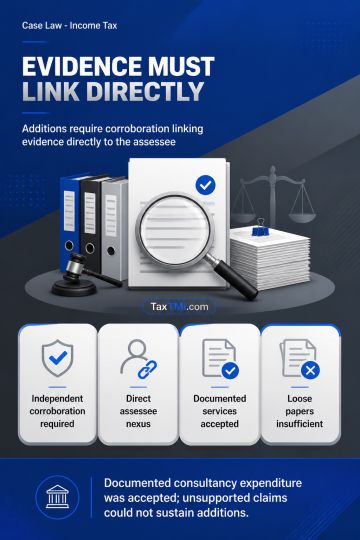
Pharmaceutical promotion and transfer-pricing comparability principles limited disallowances, while uncorroborated search allegations and unsupported ...
Business expenditure substantiation supports scrap credits, statutory payments and expense claims, while depreciation requires proof of actual busines...
The Appellate Tribunal upheld the approval of the resolution plan under Section 30(2) of the IBC, rejecting the appellant's attempt to recall the order based on belated statutory tax claims. The appellant failed to exercise due diligence in filing claims within the prescribed timeframe, and allowing such late claims would undermine the insolvency resolution process, prejudice other creditors, and jeopardize the plan's viability. The tribunal emphasized that finality in the resolution process is paramount, and reopening claims post-approval violates the statutory framework and established Supreme Court precedents prohibiting belated claims. The resolution plan, approved by the CoC with requisite majority, complied with Sections 30(2) and 53 of the IBC and relevant CIRP Regulations. Consequently, the appeal was dismissed as a disguised review lacking merit, affirming the Adjudicating Authority's order and maintaining the integrity and conclusiveness of the approved resolution plan.
The Appellate Tribunal upheld the approval of the resolution plan under Section 30(2) of the IBC, rejecting the appellant's attempt to recall the order based on belated statutory tax claims. The appellant failed to exercise due diligence in filing claims within the prescribed timeframe, and allowing such late claims would undermine the insolvency resolution process, prejudice other creditors, and jeopardize the plan's viability. The tribunal emphasized that finality in the resolution process is paramount, and reopening claims post-approval violates the statutory framework and established Supreme Court precedents prohibiting belated claims. The resolution plan, approved by the CoC with requisite majority, complied with Sections 30(2) and 53 of the IBC and relevant CIRP Regulations. Consequently, the appeal was dismissed as a disguised review lacking merit, affirming the Adjudicating Authority's order and maintaining the integrity and conclusiveness of the approved resolution plan.
Note: It is a system-generated summary and is for quick reference only.
 TaxTMI
 of 4792













 Join Channel


 TaxTMI