Necessary-party requirements limit impleadment of independent entities, while deferred consideration does not create an appealable adverse determinati...
Food supplement classification requires common parlance and authoritative tests, preventing treatment as proprietary Ayurvedic medicines without suppo...
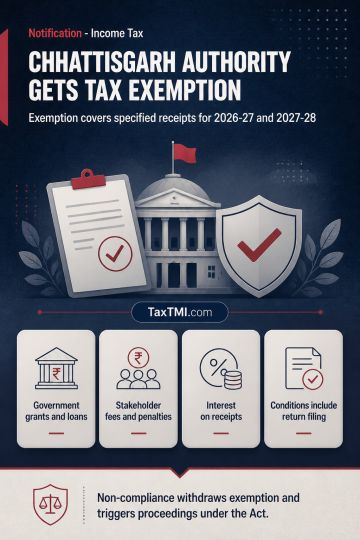
Specified regulatory authority income receives conditional tax exemption, subject to non-commercial activity, unchanged income character, and return f...
Tax exemption for regulatory authority income applies retrospectively, subject to non-commercial activity, unchanged income sources, and return-filing...
Input tax credit conditions remain constitutionally valid, with eligible recipient claims considered under GST circulars and retrospective filing dead...
The Appellate Tribunal upheld the approval of the resolution plan under Section 30(2) of the IBC, rejecting the appellant's attempt to recall the order based on belated statutory tax claims. The appellant failed to exercise due diligence in filing claims within the prescribed timeframe, and allowing such late claims would undermine the insolvency resolution process, prejudice other creditors, and jeopardize the plan's viability. The tribunal emphasized that finality in the resolution process is paramount, and reopening claims post-approval violates the statutory framework and established Supreme Court precedents prohibiting belated claims. The resolution plan, approved by the CoC with requisite majority, complied with Sections 30(2) and 53 of the IBC and relevant CIRP Regulations. Consequently, the appeal was dismissed as a disguised review lacking merit, affirming the Adjudicating Authority's order and maintaining the integrity and conclusiveness of the approved resolution plan.
The Appellate Tribunal upheld the approval of the resolution plan under Section 30(2) of the IBC, rejecting the appellant's attempt to recall the order based on belated statutory tax claims. The appellant failed to exercise due diligence in filing claims within the prescribed timeframe, and allowing such late claims would undermine the insolvency resolution process, prejudice other creditors, and jeopardize the plan's viability. The tribunal emphasized that finality in the resolution process is paramount, and reopening claims post-approval violates the statutory framework and established Supreme Court precedents prohibiting belated claims. The resolution plan, approved by the CoC with requisite majority, complied with Sections 30(2) and 53 of the IBC and relevant CIRP Regulations. Consequently, the appeal was dismissed as a disguised review lacking merit, affirming the Adjudicating Authority's order and maintaining the integrity and conclusiveness of the approved resolution plan.
Note: It is a system-generated summary and is for quick reference only.
 TaxTMI
 of 4792


















 Join Channel


 TaxTMI

