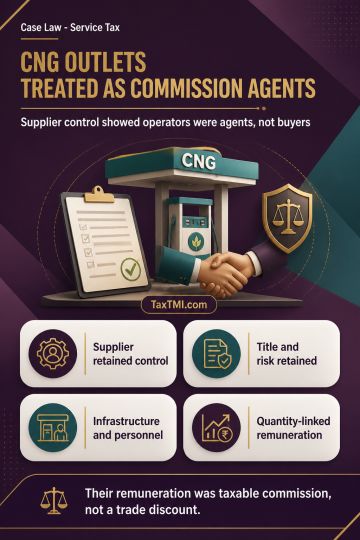
Agency in CNG distribution makes outlet operators commission agents, rendering taxable Business Auxiliary Service rather than purchasing goods for res...
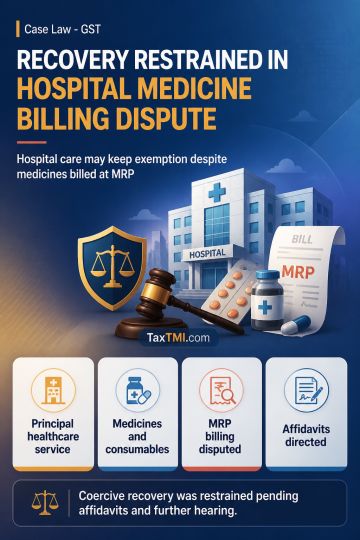
Composite inpatient healthcare supply may retain exemption despite MRP medicine billing, while separate taxable sale characterisation remains disputed...
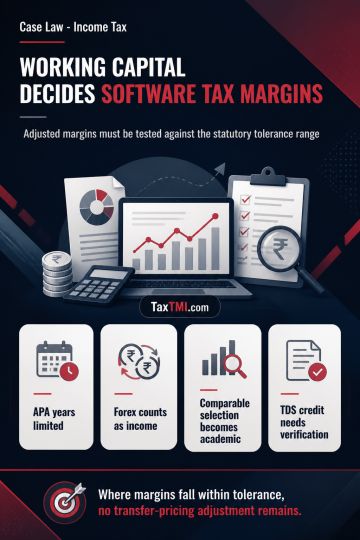
Working-capital adjustment determines whether software-services transfer-pricing margins fall within the statutory tolerance range, eliminating any ad...
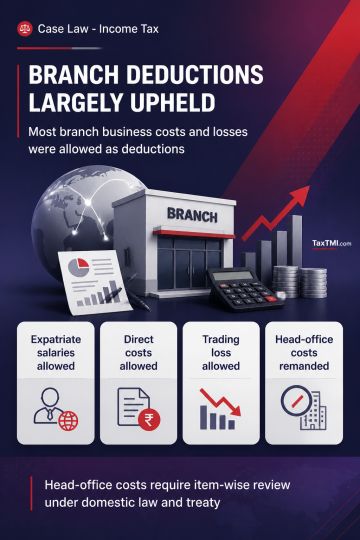
Permanent establishment deductions upheld for expatriate salaries, direct costs and trading losses, while head-office costs require fresh classificati...
The HC allowed the revision application in a dishonour of cheque case under Section 138 of the Negotiable Instruments Act. The complainant, a company director, filed the complaint in his individual capacity without proper authorization or power of attorney from the company. The agreement was executed between two companies, requiring the complainant to represent the company rather than act personally. While lack of authorization constitutes a curable defect per Supreme Court precedent in M.M.T.C. Ltd. v. Medchl Chemicals, the company failed to rectify this defect at any subsequent stage. The Court held that authorized persons must file complaints on behalf of and in the name of the principal, not in their personal capacity, making the complaint legally impermissible.
The HC allowed the revision application in a dishonour of cheque case under Section 138 of the Negotiable Instruments Act. The complainant, a company director, filed the complaint in his individual capacity without proper authorization or power of attorney from the company. The agreement was executed between two companies, requiring the complainant to represent the company rather than act personally. While lack of authorization constitutes a curable defect per Supreme Court precedent in M.M.T.C. Ltd. v. Medchl Chemicals, the company failed to rectify this defect at any subsequent stage. The Court held that authorized persons must file complaints on behalf of and in the name of the principal, not in their personal capacity, making the complaint legally impermissible.
Note: It is a system-generated summary and is for quick reference only.
 TaxTMI
 of 4798




 Join Channel


 TaxTMI
