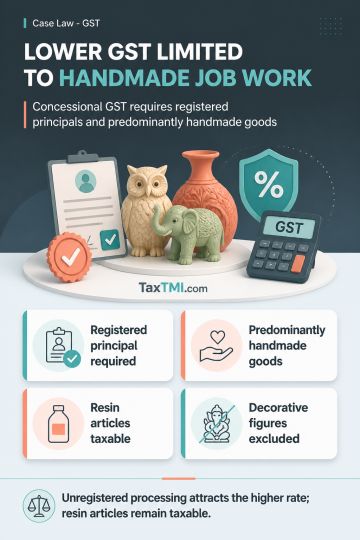
Handicraft job work receives concessional GST only for registered principals and predominantly handmade goods; commercial resin articles remain taxabl...
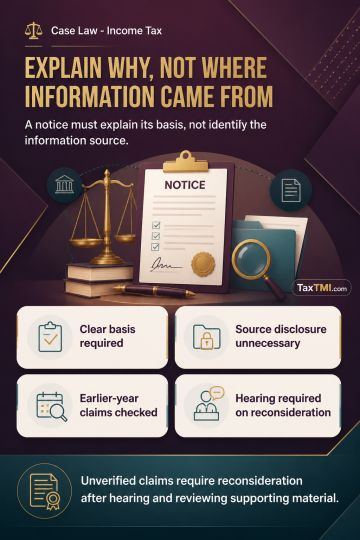
Reassessment disclosure requirements permit stated reasons without revealing information sources, but prior-taxation claims require full examination b...
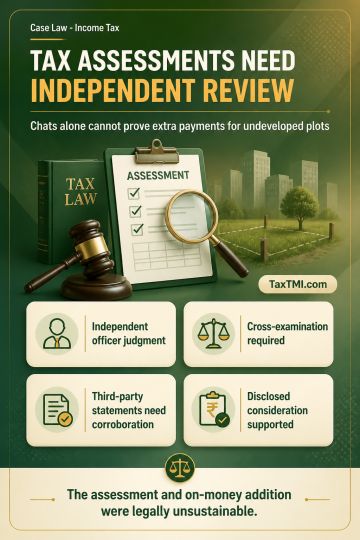
Independent assessment discretion and corroborated electronic evidence determine validity of on-money additions and undisclosed-consideration assessme...
ITAT upheld the CIT(A)'s order deleting penalty u/s 271(1)(c) against the assessee. The tribunal found the depreciation claim was a clerical error without malafide intention to evade taxes. The error was rectified in subsequent assessment year and did not impact tax liability. Relying on Supreme Court precedent, the tribunal concluded that a non-sustainable claim does not automatically constitute furnishing inaccurate income particulars. Consequently, the penalty was deleted, affirming the lower appellate authority's reasoning that the assessee's action did not warrant punitive measures.
ITAT upheld the CIT(A)'s order deleting penalty u/s 271(1)(c) against the assessee. The tribunal found the depreciation claim was a clerical error without malafide intention to evade taxes. The error was rectified in subsequent assessment year and did not impact tax liability. Relying on Supreme Court precedent, the tribunal concluded that a non-sustainable claim does not automatically constitute furnishing inaccurate income particulars. Consequently, the penalty was deleted, affirming the lower appellate authority's reasoning that the assessee's action did not warrant punitive measures.
Note: It is a system-generated summary and is for quick reference only.
 TaxTMI
  TaxTMI
 of 4828











 Join Channel


