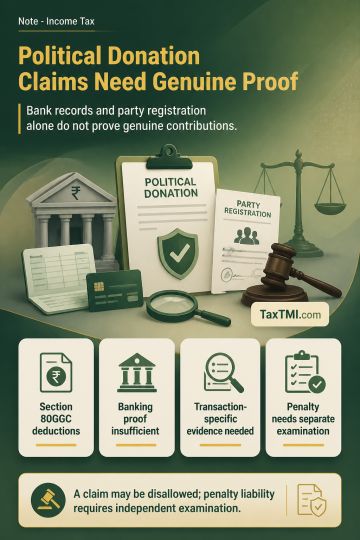
Political contribution deductions require genuine transactions; banking records and party registration alone cannot defeat evidence of accommodation e...
Post-death GST liability permits fresh proceedings against legal representatives, while discontinued-business recovery remains limited to the inherite...
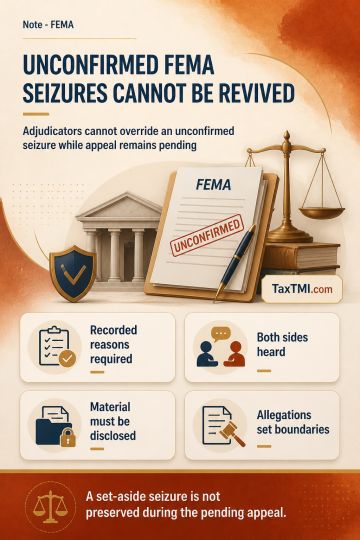
Non-confirmation of FEMA seizure prevents adjudicators from overriding pending appellate findings on recorded reasons and suspected foreign asset hold...
CESTAT adjudicated a complex customs valuation dispute involving imported machinery under EPCG scheme. The tribunal found manipulation of documents, suppression of correct payment details, and willful misstatement by the importer. The key findings include: (1) extended period under Section 28(4) was justified due to deliberate concealment, (2) EPCG license benefits could be challenged despite non-cancellation by DGFT, and (3) the importer failed to discharge burden of proof regarding declared value. The tribunal ordered duty recalculation, allowed partial notification benefits, set aside goods confiscation, and maintained penalties against the company and its employee, emphasizing the need to deter statutory violations.
CESTAT adjudicated a complex customs valuation dispute involving imported machinery under EPCG scheme. The tribunal found manipulation of documents, suppression of correct payment details, and willful misstatement by the importer. The key findings include: (1) extended period under Section 28(4) was justified due to deliberate concealment, (2) EPCG license benefits could be challenged despite non-cancellation by DGFT, and (3) the importer failed to discharge burden of proof regarding declared value. The tribunal ordered duty recalculation, allowed partial notification benefits, set aside goods confiscation, and maintained penalties against the company and its employee, emphasizing the need to deter statutory violations.
Note: It is a system-generated summary and is for quick reference only.
 TaxTMI
  TaxTMI