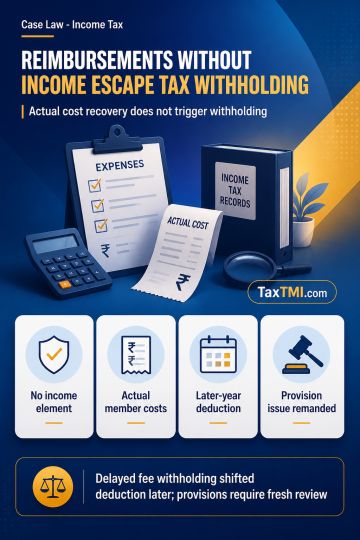
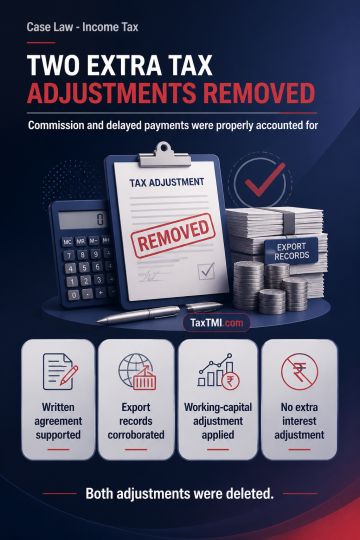
Pure reimbursement without income element escapes tax withholding, while delayed withholding and unsupported provisions face deferred or renewed scrut...
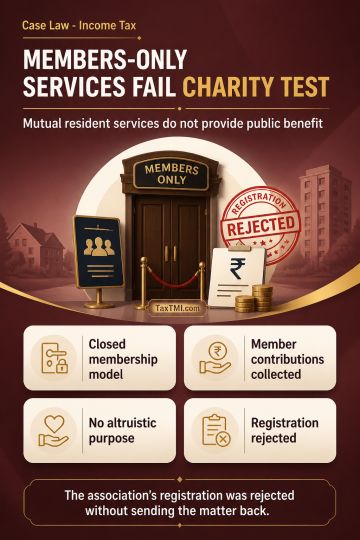
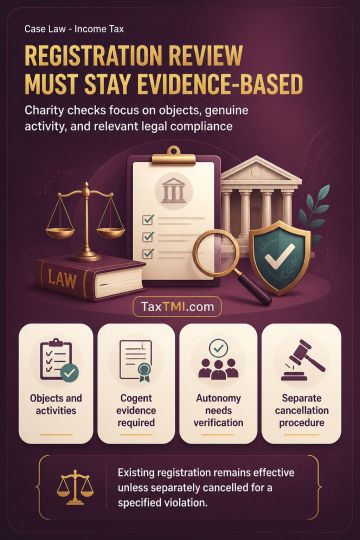
Public benefit requirement defeats charitable registration where residents' association services are reciprocal, member-only facilities governed by mu...
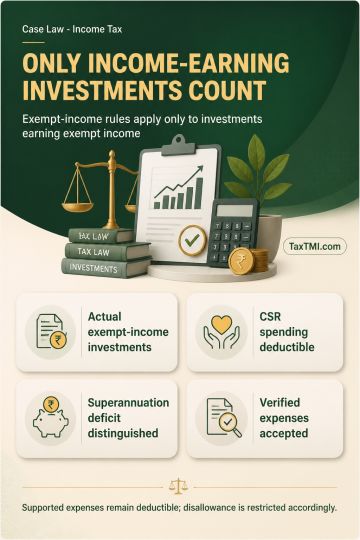
Exempt-income expenditure disallowance is confined to investments that actually generated exempt income, while supported business expenses remain dedu...
Objective characteristics and principal use govern mining-tyre classification, while fresh advance ruling applications may rely on additional technica...
HC determined that mere non-completion of part-B of e-way bill does not automatically warrant penalty under Section 129 of U.P. G.S.T. Act, 2017. The court found no evidence of tax evasion attempt by the petitioner. Without a specific finding regarding intentional tax evasion, the penalty levy was deemed unsustainable. Consistent with prior judicial precedents, the court emphasized that procedural non-compliance alone cannot justify punitive action. The impugned order was consequently set aside, and the petition was allowed, effectively quashing the penalty imposed by the tax authorities.
HC determined that mere non-completion of part-B of e-way bill does not automatically warrant penalty under Section 129 of U.P. G.S.T. Act, 2017. The court found no evidence of tax evasion attempt by the petitioner. Without a specific finding regarding intentional tax evasion, the penalty levy was deemed unsustainable. Consistent with prior judicial precedents, the court emphasized that procedural non-compliance alone cannot justify punitive action. The impugned order was consequently set aside, and the petition was allowed, effectively quashing the penalty imposed by the tax authorities.
Note: It is a system-generated summary and is for quick reference only.
 TaxTMI
 of 4803





 Join Channel


 TaxTMI
