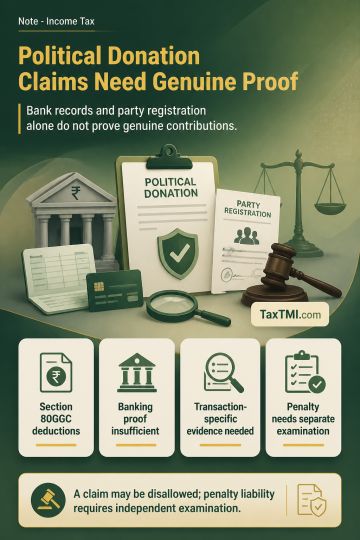
Political contribution deductions require genuine transactions; banking records and party registration alone cannot defeat evidence of accommodation e...
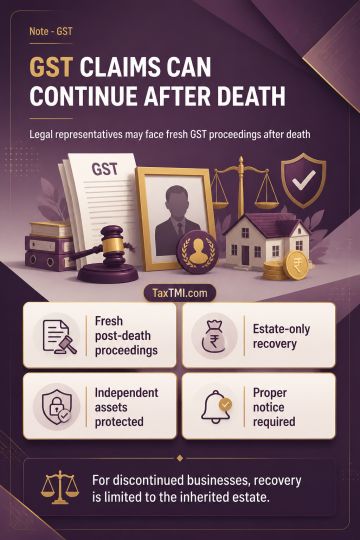
Post-death GST liability permits fresh proceedings against legal representatives, while discontinued-business recovery remains limited to the inherite...
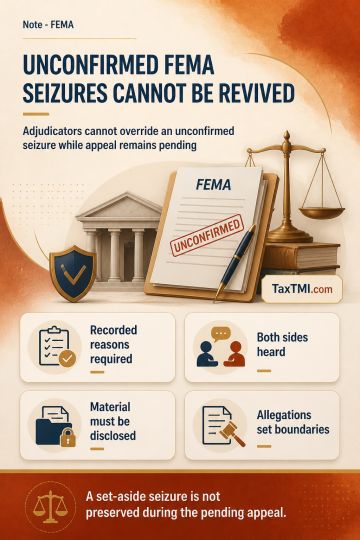
Non-confirmation of FEMA seizure prevents adjudicators from overriding pending appellate findings on recorded reasons and suspected foreign asset hold...
HC held that the period of limitation under Section 153B for assessment orders cannot be automatically excluded when exchange of information occurs. The exclusion is contingent upon a formal reference made strictly in accordance with the Indo-Swiss Double Taxation Avoidance Agreement (DTAA). In this instance, the revenue's request did not comply with Article 14 of the Amending Protocol. Consequently, the court ruled against the revenue, determining that the time taken for obtaining information cannot be unilaterally excluded from the limitation period. The assessment orders were thus challenged, with the legal questions being answered in favor of the assessees and against the revenue's interpretation of procedural limitations.
HC held that the period of limitation under Section 153B for assessment orders cannot be automatically excluded when exchange of information occurs. The exclusion is contingent upon a formal reference made strictly in accordance with the Indo-Swiss Double Taxation Avoidance Agreement (DTAA). In this instance, the revenue's request did not comply with Article 14 of the Amending Protocol. Consequently, the court ruled against the revenue, determining that the time taken for obtaining information cannot be unilaterally excluded from the limitation period. The assessment orders were thus challenged, with the legal questions being answered in favor of the assessees and against the revenue's interpretation of procedural limitations.
Note: It is a system-generated summary and is for quick reference only.
 TaxTMI
  TaxTMI