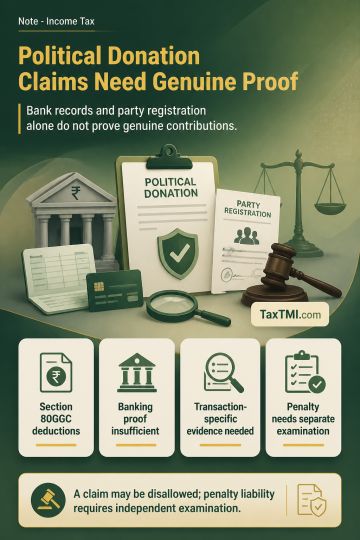
Political contribution deductions require genuine transactions; banking records and party registration alone cannot defeat evidence of accommodation e...
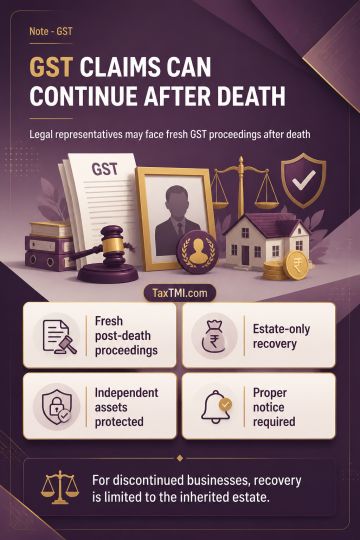
Post-death GST liability permits fresh proceedings against legal representatives, while discontinued-business recovery remains limited to the inherite...
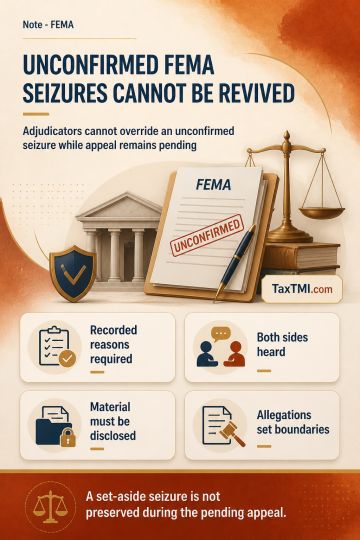
Non-confirmation of FEMA seizure prevents adjudicators from overriding pending appellate findings on recorded reasons and suspected foreign asset hold...
ITAT allowed the appeal, setting aside the CIT(E)'s order cancelling the charitable organization's registration under section 12A. The tribunal found that despite the majority of beneficiaries being from a specific religious area, the organization's activities were genuinely charitable, providing education, medical facilities, and support to economically weaker sections across all communities. The tribunal emphasized that the organization's primary objective was serving the broader public, not restricting benefits to a particular community. Consequently, the cancellation of registration was deemed unlawful, and the organization's section 12A registration was restored, confirming its eligibility for tax exemption based on its inclusive charitable activities.
ITAT allowed the appeal, setting aside the CIT(E)'s order cancelling the charitable organization's registration under section 12A. The tribunal found that despite the majority of beneficiaries being from a specific religious area, the organization's activities were genuinely charitable, providing education, medical facilities, and support to economically weaker sections across all communities. The tribunal emphasized that the organization's primary objective was serving the broader public, not restricting benefits to a particular community. Consequently, the cancellation of registration was deemed unlawful, and the organization's section 12A registration was restored, confirming its eligibility for tax exemption based on its inclusive charitable activities.
Note: It is a system-generated summary and is for quick reference only.
 TaxTMI
  TaxTMI