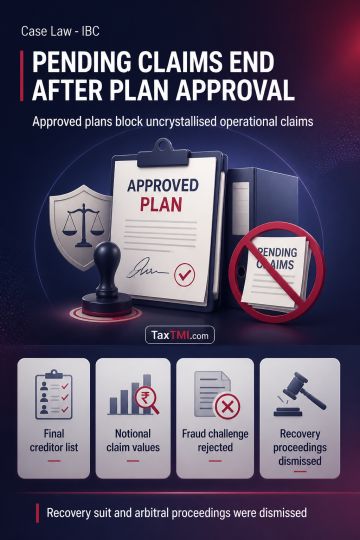
Clean slate principle extinguishes uncrystallised operational claims and bars continuation of pending recovery and arbitral proceedings after plan app...
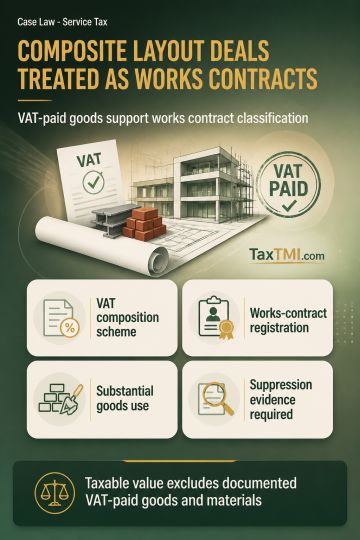
Works contract classification governs composite layout-development contracts where VAT-paid goods are transferred alongside construction and infrastru...
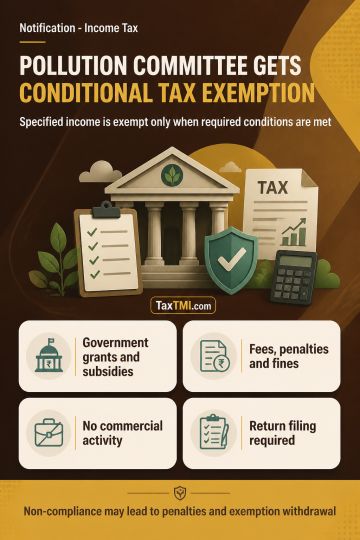
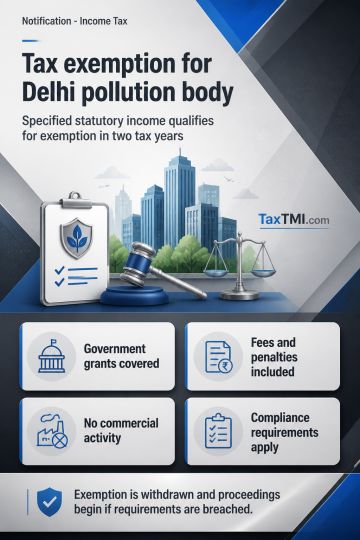
Specified income tax exemption for pollution control body remains conditional on non-commercial activity, unchanged income character, and return filin...
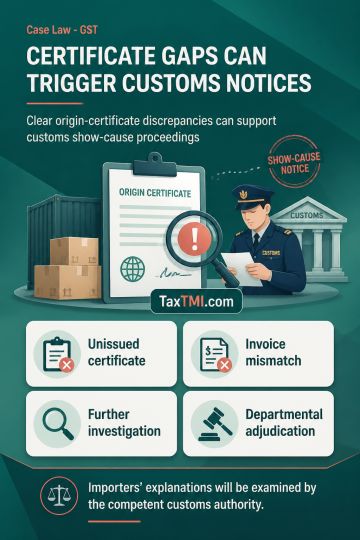
Jurisdictional facts in certificate-of-origin discrepancies can support customs show-cause proceedings, leaving factual explanations for departmental ...
SC held that under Order 18 Rule 17 CPC and Section 165 of Evidence Act, the power to recall a witness is exclusively within the court's discretion. The court may exercise its inherent jurisdiction under Section 151 CPC to permit a party to recall a witness if circumstances warrant, but such recall is not an automatic right. Cross-examination of a recalled witness requires explicit court permission. The court's primary objective is to discover or obtain proper proof of relevant facts. The Special Leave Petitions were consequently dismissed, affirming the court's broad discretionary power in witness examination.
SC held that under Order 18 Rule 17 CPC and Section 165 of Evidence Act, the power to recall a witness is exclusively within the court's discretion. The court may exercise its inherent jurisdiction under Section 151 CPC to permit a party to recall a witness if circumstances warrant, but such recall is not an automatic right. Cross-examination of a recalled witness requires explicit court permission. The court's primary objective is to discover or obtain proper proof of relevant facts. The Special Leave Petitions were consequently dismissed, affirming the court's broad discretionary power in witness examination.
Note: It is a system-generated summary and is for quick reference only.
 TaxTMI
 of 4796




 Join Channel


 TaxTMI