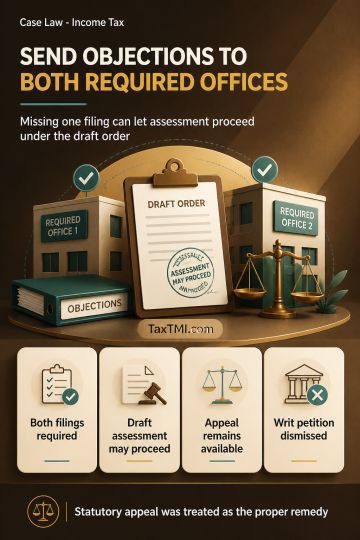
Dispute Resolution Panel objections must reach both prescribed forums; otherwise assessment may proceed and statutory appeal remains the proper remedy...
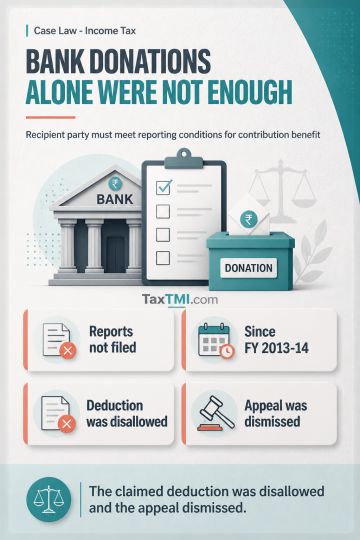
Political contribution deductions require recipient party compliance with contribution-reporting conditions; banking-channel donations alone do not qu...
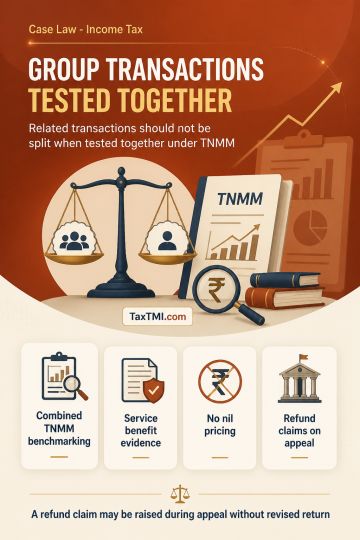
Aggregation under TNMM prevents selective testing of intra-group services without comparable uncontrolled transactions, while appellate additional cla...
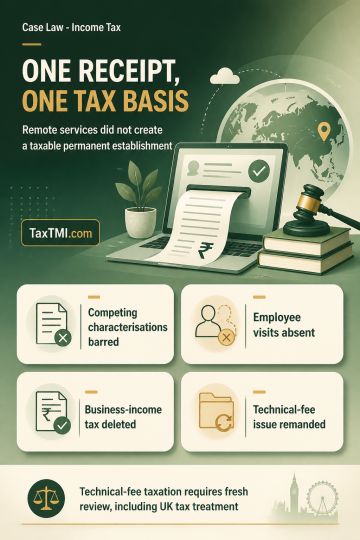
Protective assessment cannot duplicate identical receipts under competing characterisations; remote services did not establish a taxable permanent est...
SC held that under Order 18 Rule 17 CPC and Section 165 of Evidence Act, the power to recall a witness is exclusively within the court's discretion. The court may exercise its inherent jurisdiction under Section 151 CPC to permit a party to recall a witness if circumstances warrant, but such recall is not an automatic right. Cross-examination of a recalled witness requires explicit court permission. The court's primary objective is to discover or obtain proper proof of relevant facts. The Special Leave Petitions were consequently dismissed, affirming the court's broad discretionary power in witness examination.
SC held that under Order 18 Rule 17 CPC and Section 165 of Evidence Act, the power to recall a witness is exclusively within the court's discretion. The court may exercise its inherent jurisdiction under Section 151 CPC to permit a party to recall a witness if circumstances warrant, but such recall is not an automatic right. Cross-examination of a recalled witness requires explicit court permission. The court's primary objective is to discover or obtain proper proof of relevant facts. The Special Leave Petitions were consequently dismissed, affirming the court's broad discretionary power in witness examination.
Note: It is a system-generated summary and is for quick reference only.
 TaxTMI
 of 4790



 Join Channel


 TaxTMI
