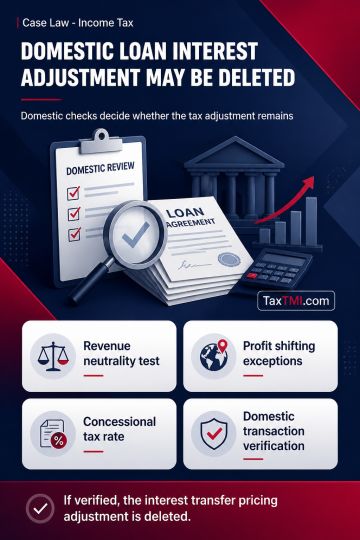
Revenue neutrality in domestic related-party loans can require deletion of interest transfer pricing adjustments after domestic-transaction verificati...
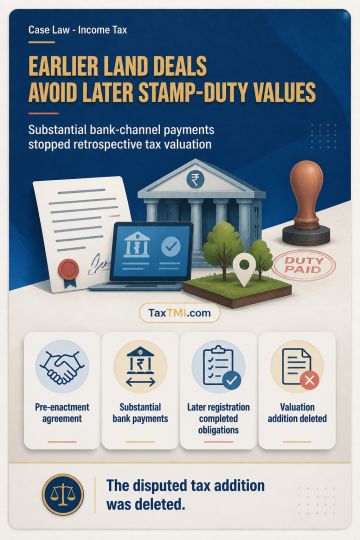
Pre-enactment land-sale agreements escape stamp-duty value substitution where substantial banking-channel consideration was received before Section 43...
Page of 4792
Press 'Enter' after typing page number.
121 to 140 of 95833 Results
❮
❯
❯❯
0 / 200
Expand Note
Add to Folder
No Folders have been created
+
Are you sure you want to delete "My most important" ?
SC held that Respondent No. 1's appeal was time-barred under Section 61(2) of the IBC. The limitation period commenced on 07.04.2022 and expired on 07.05.2022, with a maximum statutory period of 45 days. The appeal was filed on 24.05.2022, beyond the prescribed and condonable periods. The NCLAT lacks jurisdiction to condone delays beyond the statutorily defined 30+15 days period. The court emphasized the IBC's strict procedural discipline, which mandates adherence to prescribed timelines to ensure efficient resolution of insolvency proceedings. Consequently, the appeal was dismissed, reinforcing the tribunal's limited power to extend limitation periods.
SC held that Respondent No. 1's appeal was time-barred under Section 61(2) of the IBC. The limitation period commenced on 07.04.2022 and expired on 07.05.2022, with a maximum statutory period of 45 days. The appeal was filed on 24.05.2022, beyond the prescribed and condonable periods. The NCLAT lacks jurisdiction to condone delays beyond the statutorily defined 30+15 days period. The court emphasized the IBC's strict procedural discipline, which mandates adherence to prescribed timelines to ensure efficient resolution of insolvency proceedings. Consequently, the appeal was dismissed, reinforcing the tribunal's limited power to extend limitation periods.
Note: It is a system-generated summary and is for quick reference only.
 TaxTMI
 of 4792




 Join Channel


 TaxTMI