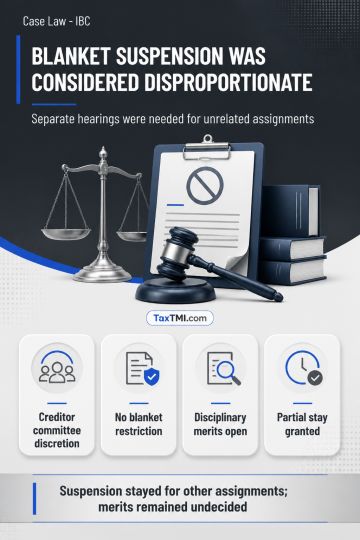
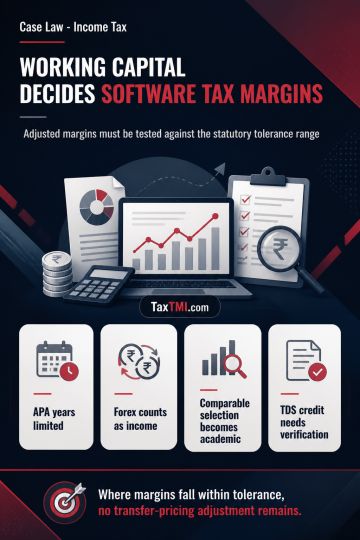
Working-capital adjustment determines whether software-services transfer-pricing margins fall within the statutory tolerance range, eliminating any ad...
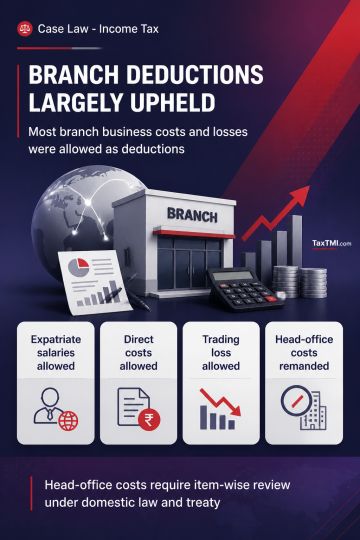
Permanent establishment deductions upheld for expatriate salaries, direct costs and trading losses, while head-office costs require fresh classificati...
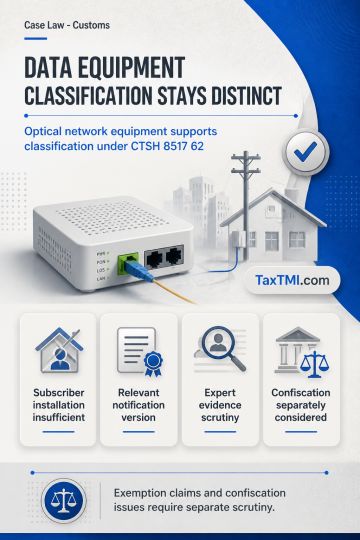
Data transmission equipment classification under CTSH 8517 62 remains distinct from residual classification, with exemption evidence requiring scrutin...
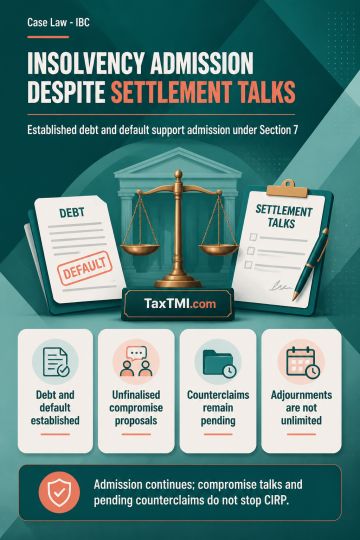
SC held that Respondent No. 1's appeal was time-barred under Section 61(2) of the IBC. The limitation period commenced on 07.04.2022 and expired on 07.05.2022, with a maximum statutory period of 45 days. The appeal was filed on 24.05.2022, beyond the prescribed and condonable periods. The NCLAT lacks jurisdiction to condone delays beyond the statutorily defined 30+15 days period. The court emphasized the IBC's strict procedural discipline, which mandates adherence to prescribed timelines to ensure efficient resolution of insolvency proceedings. Consequently, the appeal was dismissed, reinforcing the tribunal's limited power to extend limitation periods.
SC held that Respondent No. 1's appeal was time-barred under Section 61(2) of the IBC. The limitation period commenced on 07.04.2022 and expired on 07.05.2022, with a maximum statutory period of 45 days. The appeal was filed on 24.05.2022, beyond the prescribed and condonable periods. The NCLAT lacks jurisdiction to condone delays beyond the statutorily defined 30+15 days period. The court emphasized the IBC's strict procedural discipline, which mandates adherence to prescribed timelines to ensure efficient resolution of insolvency proceedings. Consequently, the appeal was dismissed, reinforcing the tribunal's limited power to extend limitation periods.
Note: It is a system-generated summary and is for quick reference only.
 TaxTMI
 of 4801









 Join Channel


 TaxTMI