Vicarious liability for dishonoured company cheques may extend to non-signatory directors where complaints contain foundational responsibility avermen...
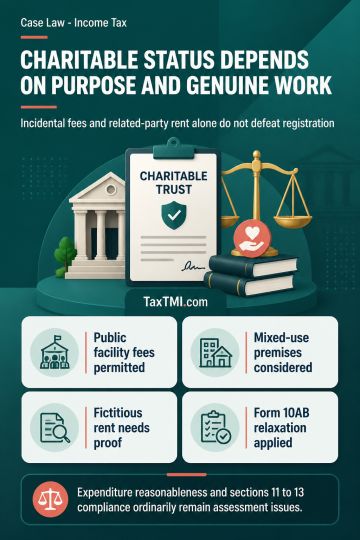
Charitable registration turns on predominant purpose and genuine activities, while incidental fees and related-party rent require supporting adverse m...
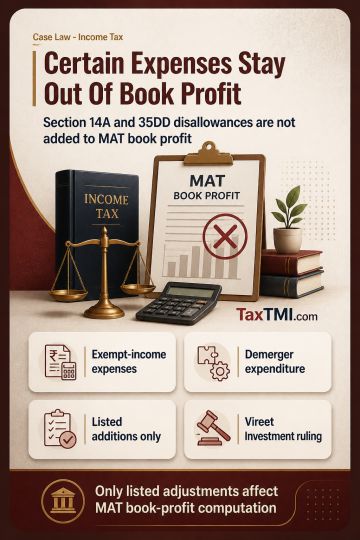
MAT book-profit adjustments exclude disallowances for exempt-income expenditure and demerger expenditure unless expressly listed under the statutory c...
SC held that Respondent No. 1's appeal was time-barred under Section 61(2) of the IBC. The limitation period commenced on 07.04.2022 and expired on 07.05.2022, with a maximum statutory period of 45 days. The appeal was filed on 24.05.2022, beyond the prescribed and condonable periods. The NCLAT lacks jurisdiction to condone delays beyond the statutorily defined 30+15 days period. The court emphasized the IBC's strict procedural discipline, which mandates adherence to prescribed timelines to ensure efficient resolution of insolvency proceedings. Consequently, the appeal was dismissed, reinforcing the tribunal's limited power to extend limitation periods.
SC held that Respondent No. 1's appeal was time-barred under Section 61(2) of the IBC. The limitation period commenced on 07.04.2022 and expired on 07.05.2022, with a maximum statutory period of 45 days. The appeal was filed on 24.05.2022, beyond the prescribed and condonable periods. The NCLAT lacks jurisdiction to condone delays beyond the statutorily defined 30+15 days period. The court emphasized the IBC's strict procedural discipline, which mandates adherence to prescribed timelines to ensure efficient resolution of insolvency proceedings. Consequently, the appeal was dismissed, reinforcing the tribunal's limited power to extend limitation periods.
Note: It is a system-generated summary and is for quick reference only.
 TaxTMI
 of 4792




 Join Channel


 TaxTMI
