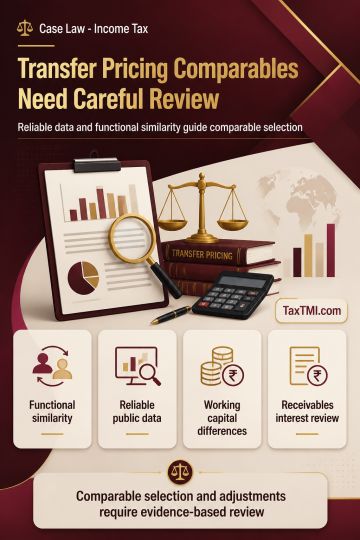
Transfer pricing comparability requires functional alignment, reliable financial data, and careful review of working capital and receivables adjustmen...
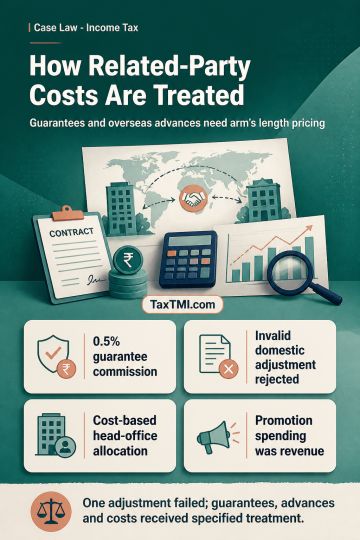
Transfer pricing rules require benchmarking corporate guarantees and associated-enterprise advances, while invalid domestic-transaction adjustments ca...
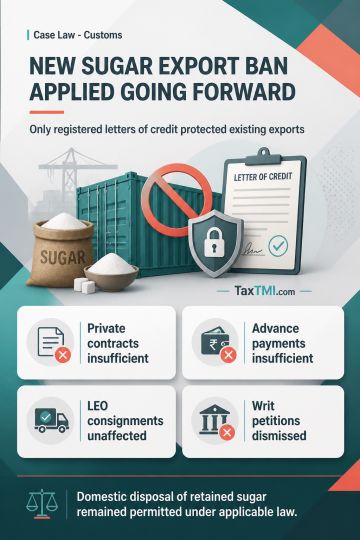
Prospective sugar export prohibition required registered letters of credit; private contracts and export quotas created no enforceable continuation ri...
Retroactive interim-moratorium exclusion permits protective asset disclosure and preservation measures against personal guarantors pending arbitration...
CESTAT held that Section 11B(2)(c) and (d) do not provide for refund of unutilized cenvat credit upon factory closure. Rule 5 of Cenvat Credit Rules, 2004 permits refund only for export-related scenarios, not for manufacturing cessation. The appellant's contentions were rejected, finding no statutory basis for cash refund of accumulated credit. The tribunal emphasized that equitable considerations cannot override explicit statutory provisions. Despite potential financial hardship, the claim was deemed untenable as the regulations do not permit such refunds. Consequently, the appeal was dismissed, reinforcing a strict interpretation of tax credit refund regulations.
CESTAT held that Section 11B(2)(c) and (d) do not provide for refund of unutilized cenvat credit upon factory closure. Rule 5 of Cenvat Credit Rules, 2004 permits refund only for export-related scenarios, not for manufacturing cessation. The appellant's contentions were rejected, finding no statutory basis for cash refund of accumulated credit. The tribunal emphasized that equitable considerations cannot override explicit statutory provisions. Despite potential financial hardship, the claim was deemed untenable as the regulations do not permit such refunds. Consequently, the appeal was dismissed, reinforcing a strict interpretation of tax credit refund regulations.
Note: It is a system-generated summary and is for quick reference only.
 TaxTMI
 of 4788





 Join Channel


 TaxTMI