Political contribution deductions require genuine transactions; banking records and party registration alone cannot defeat evidence of accommodation e...
Post-death GST liability permits fresh proceedings against legal representatives, while discontinued-business recovery remains limited to the inherite...
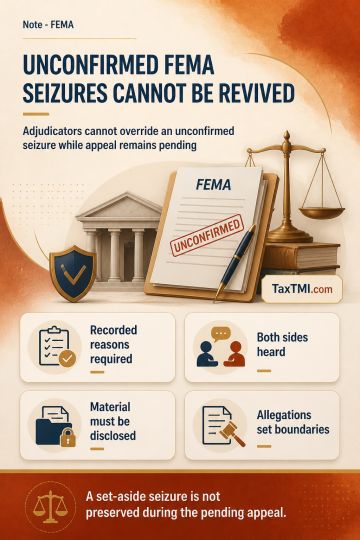
Non-confirmation of FEMA seizure prevents adjudicators from overriding pending appellate findings on recorded reasons and suspected foreign asset hold...
HC transferred a winding up petition to NCLT under Section 434(1)(c) of the Companies Act. The court emphasized the legislative intent to revive corporate debtors and prevent liquidation. The primary focus was on exploring revival opportunities before concluding corporate death is inevitable. The Supreme Court's precedent in Action Ispat guided the decision, highlighting that IBC is a beneficial legislation aimed at protecting corporate entities from irretrievable financial collapse. The court stressed making comprehensive efforts to resuscitate the corporate debtor in the broader economic and stakeholder interests, prioritizing rehabilitation over liquidation. The transfer was deemed appropriate, with the appeal ultimately being dismissed.
HC transferred a winding up petition to NCLT under Section 434(1)(c) of the Companies Act. The court emphasized the legislative intent to revive corporate debtors and prevent liquidation. The primary focus was on exploring revival opportunities before concluding corporate death is inevitable. The Supreme Court's precedent in Action Ispat guided the decision, highlighting that IBC is a beneficial legislation aimed at protecting corporate entities from irretrievable financial collapse. The court stressed making comprehensive efforts to resuscitate the corporate debtor in the broader economic and stakeholder interests, prioritizing rehabilitation over liquidation. The transfer was deemed appropriate, with the appeal ultimately being dismissed.
Note: It is a system-generated summary and is for quick reference only.
 TaxTMI
  TaxTMI