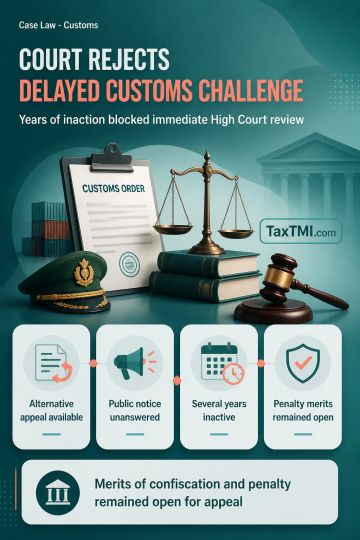
Alternative statutory remedy and unexplained delay barred writ review of customs confiscation adjudication, leaving merits for appellate consideration...
Authorised courier due diligence protects against penalties where declared exports conceal prohibited goods despite proper documentation and customs p...
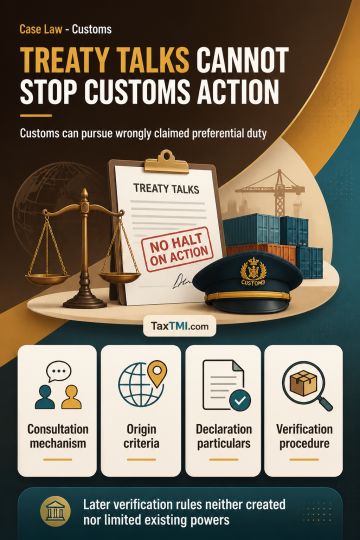
Customs-controlled container movement now extends to DP World facilities, subject to segregation, inspections, reconciliation, and EXIM cargo priority...
The SC affirmed the arbitral tribunal's inherent power to implead or join non-signatories to arbitration proceedings based on the 'group of companies' doctrine. The tribunal is deemed the most appropriate forum to determine whether a non-signatory is bound by an arbitration agreement, given its ability to comprehensively assess evidence and circumstances. The court emphasized that the jurisdiction of an arbitral tribunal stems from the arbitration agreement itself, and there are no statutory prohibitions preventing the tribunal from impleading a non-signatory. The appeal was ultimately dismissed, with the court highlighting the need for legislative clarity in arbitration law to reduce uncertainty in commercial disputes.
The SC affirmed the arbitral tribunal's inherent power to implead or join non-signatories to arbitration proceedings based on the 'group of companies' doctrine. The tribunal is deemed the most appropriate forum to determine whether a non-signatory is bound by an arbitration agreement, given its ability to comprehensively assess evidence and circumstances. The court emphasized that the jurisdiction of an arbitral tribunal stems from the arbitration agreement itself, and there are no statutory prohibitions preventing the tribunal from impleading a non-signatory. The appeal was ultimately dismissed, with the court highlighting the need for legislative clarity in arbitration law to reduce uncertainty in commercial disputes.
Note: It is a system-generated summary and is for quick reference only.
 TaxTMI
  TaxTMI
 of 4828













 Join Channel


