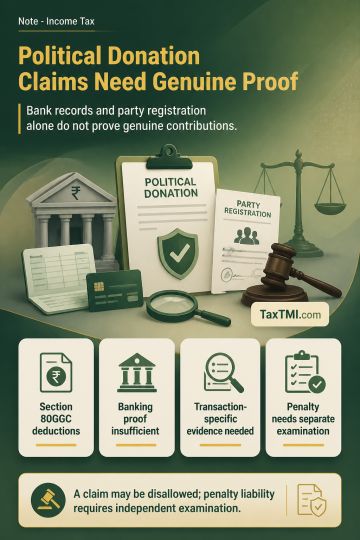
Political contribution deductions require genuine transactions; banking records and party registration alone cannot defeat evidence of accommodation e...
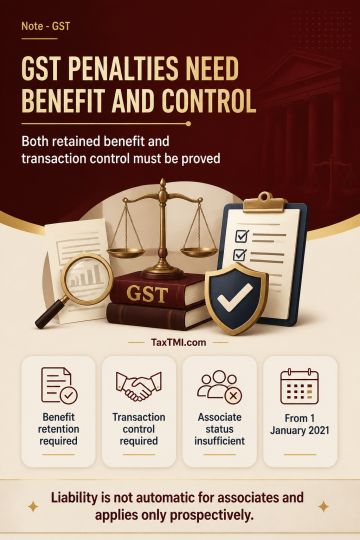
Post-death GST liability permits fresh proceedings against legal representatives, while discontinued-business recovery remains limited to the inherite...
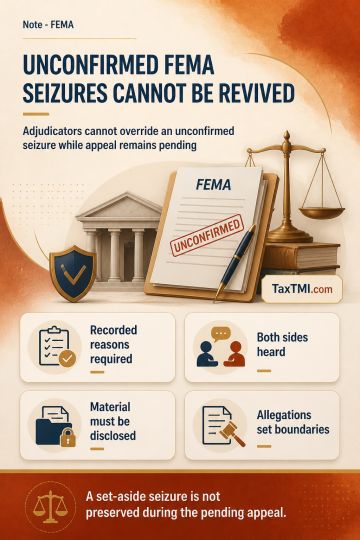
Non-confirmation of FEMA seizure prevents adjudicators from overriding pending appellate findings on recorded reasons and suspected foreign asset hold...
The SC affirmed the arbitral tribunal's inherent power to implead or join non-signatories to arbitration proceedings based on the 'group of companies' doctrine. The tribunal is deemed the most appropriate forum to determine whether a non-signatory is bound by an arbitration agreement, given its ability to comprehensively assess evidence and circumstances. The court emphasized that the jurisdiction of an arbitral tribunal stems from the arbitration agreement itself, and there are no statutory prohibitions preventing the tribunal from impleading a non-signatory. The appeal was ultimately dismissed, with the court highlighting the need for legislative clarity in arbitration law to reduce uncertainty in commercial disputes.
The SC affirmed the arbitral tribunal's inherent power to implead or join non-signatories to arbitration proceedings based on the 'group of companies' doctrine. The tribunal is deemed the most appropriate forum to determine whether a non-signatory is bound by an arbitration agreement, given its ability to comprehensively assess evidence and circumstances. The court emphasized that the jurisdiction of an arbitral tribunal stems from the arbitration agreement itself, and there are no statutory prohibitions preventing the tribunal from impleading a non-signatory. The appeal was ultimately dismissed, with the court highlighting the need for legislative clarity in arbitration law to reduce uncertainty in commercial disputes.
Note: It is a system-generated summary and is for quick reference only.
 TaxTMI
  TaxTMI