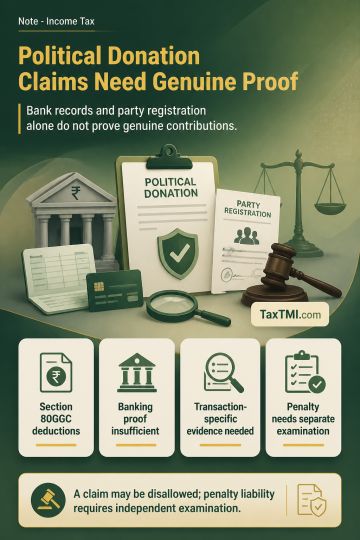
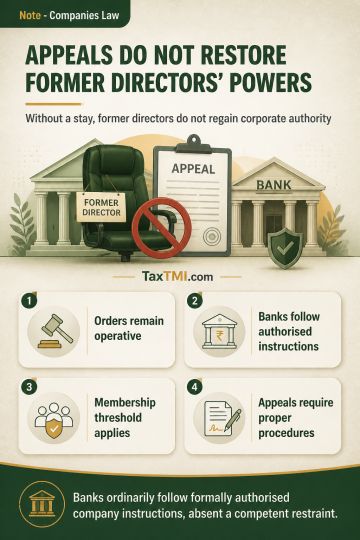
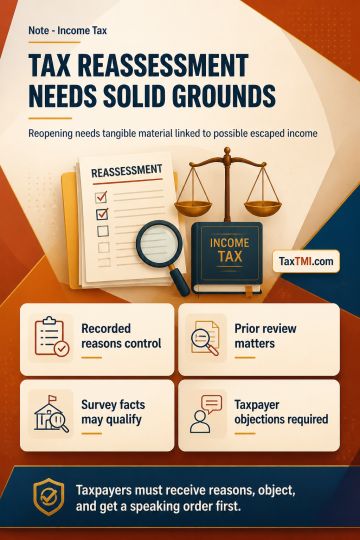
Political contribution deductions require genuine transactions; banking records and party registration alone cannot defeat evidence of accommodation e...
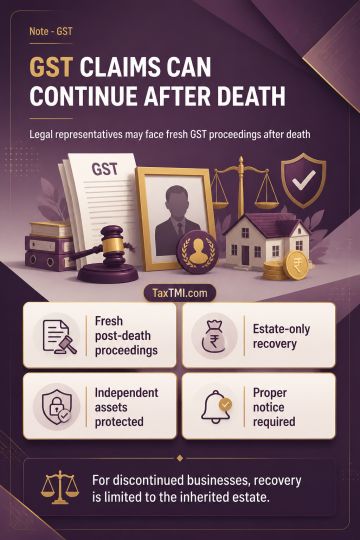
Post-death GST liability permits fresh proceedings against legal representatives, while discontinued-business recovery remains limited to the inherite...
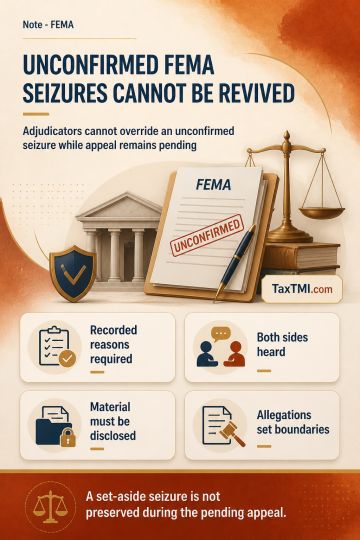
Non-confirmation of FEMA seizure prevents adjudicators from overriding pending appellate findings on recorded reasons and suspected foreign asset hold...
SC held that the Rs. 20,00,000/- advance money was essentially earnest money serving as a guarantee for contract performance. The forfeiture clause was fair and equitable, imposing reciprocal obligations on both parties. Since the purchaser breached the contract by failing to pay the balance sale consideration within four months, the vendors were justified in forfeiting the entire advance amount. The court emphasized that the forfeiture was legitimate as the financial losses incurred by the vendors exceeded the forfeited sum. No amendment seeking refund was sought at trial or appellate stages, rendering such relief unavailable. The appeal was consequently dismissed, upholding the vendors' right to forfeit the advance money.
SC held that the Rs. 20,00,000/- advance money was essentially earnest money serving as a guarantee for contract performance. The forfeiture clause was fair and equitable, imposing reciprocal obligations on both parties. Since the purchaser breached the contract by failing to pay the balance sale consideration within four months, the vendors were justified in forfeiting the entire advance amount. The court emphasized that the forfeiture was legitimate as the financial losses incurred by the vendors exceeded the forfeited sum. No amendment seeking refund was sought at trial or appellate stages, rendering such relief unavailable. The appeal was consequently dismissed, upholding the vendors' right to forfeit the advance money.
Note: It is a system-generated summary and is for quick reference only.
 TaxTMI
  TaxTMI