Composite inpatient healthcare supply may retain exemption despite MRP medicine billing, while separate taxable sale characterisation remains disputed...
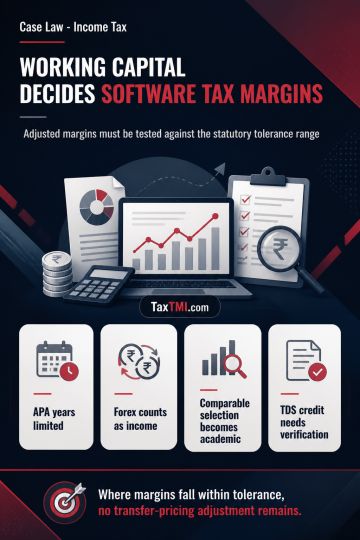
Working-capital adjustment determines whether software-services transfer-pricing margins fall within the statutory tolerance range, eliminating any ad...
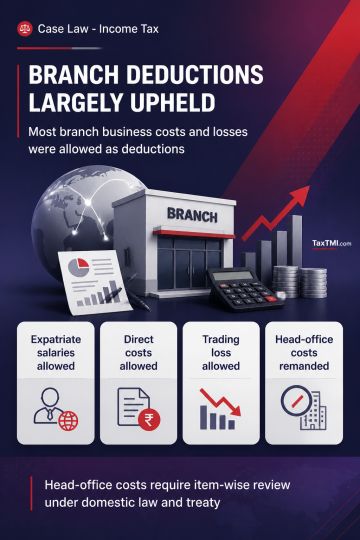
Permanent establishment deductions upheld for expatriate salaries, direct costs and trading losses, while head-office costs require fresh classificati...
NCLAT analyzed a complex insolvency resolution case involving an assignment agreement and Section 7 application. The Tribunal held that the assignment agreement is partially void regarding immovable property in Tamil Nadu under Section 28 of the Registration Act, but remains valid for other financial assets. The Section 7 application was deemed not time-barred due to continuous debt acknowledgment in balance sheets. The appellant's deposit of principal amount did not discharge the financial creditor's debt, as the amount was not reflective of the debt at the time of application. The Tribunal ultimately upheld the adjudicating authority's order admitting the Section 7 application and disposed of the appeal accordingly.
NCLAT analyzed a complex insolvency resolution case involving an assignment agreement and Section 7 application. The Tribunal held that the assignment agreement is partially void regarding immovable property in Tamil Nadu under Section 28 of the Registration Act, but remains valid for other financial assets. The Section 7 application was deemed not time-barred due to continuous debt acknowledgment in balance sheets. The appellant's deposit of principal amount did not discharge the financial creditor's debt, as the amount was not reflective of the debt at the time of application. The Tribunal ultimately upheld the adjudicating authority's order admitting the Section 7 application and disposed of the appeal accordingly.
Note: It is a system-generated summary and is for quick reference only.
 TaxTMI
 of 4792







 Join Channel


 TaxTMI