PMLA anticipatory bail requires satisfaction of twin conditions, while predicate-offence protection does not extend to independent money-laundering pr...
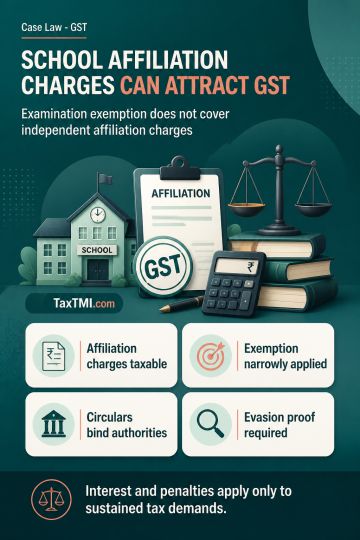
School-affiliation charges remain taxable where not directly connected with examinations, while extended limitation requires proof of deliberate tax e...
HC held that Provident Fund (PF) dues, comprising both employee and employer contributions, are not corporate debtor assets subject to insolvency resolution. The employer holds these funds in trust for employees, with statutory obligations under EPF Act. PF claims survive the resolution plan and remain payable, as they fall outside the Insolvency and Bankruptcy Code's scope. The court emphasized workers' dues primacy, determining that employer's PF contributions constitute a trust property for employees, irrespective of actual deposit in the fund account. Consequently, the petition was dismissed, affirming the respondents' right to claim PF dues.
HC held that Provident Fund (PF) dues, comprising both employee and employer contributions, are not corporate debtor assets subject to insolvency resolution. The employer holds these funds in trust for employees, with statutory obligations under EPF Act. PF claims survive the resolution plan and remain payable, as they fall outside the Insolvency and Bankruptcy Code's scope. The court emphasized workers' dues primacy, determining that employer's PF contributions constitute a trust property for employees, irrespective of actual deposit in the fund account. Consequently, the petition was dismissed, affirming the respondents' right to claim PF dues.
Note: It is a system-generated summary and is for quick reference only.
 TaxTMI
  TaxTMI
 of 4827












 Join Channel


