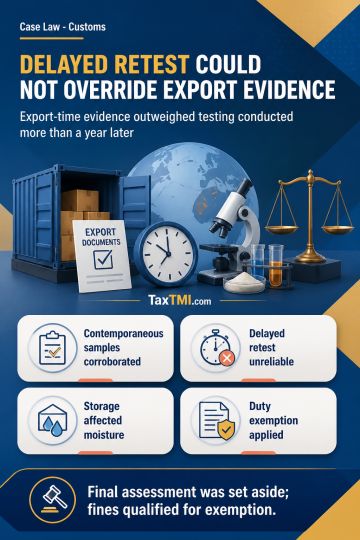
Commercial vehicle depreciation, scientifically determined warranty provisions and exempt-income disallowances were resolved in favour of the taxpayer...
Inherited property sale proceeds require capital-gains treatment where ownership is supported by evidence, not suspicion or unverified signature doubt...
Cross-examination of retracted statements is essential where foundational evidence supports a benami allegation and documented funding explanations re...
The GOI officially refutes claims of proposed GST on UPI transactions over Rs.2,000, confirming no such taxation measure exists. CBIC has eliminated Merchant Discount Rate (MDR) on Person-to-Merchant UPI transactions, rendering GST inapplicable. An active Incentive Scheme from FY 2021-22 supports low-value UPI transactions, with escalating allocations (FY2021-22: Rs.1,389 crore; FY2022-23: Rs.2,210 crore; FY2023-24: Rs.3,631 crore). The policy aims to promote digital payments, evidenced by India's leadership in real-time transactions, accounting for 49% globally in 2023 and witnessing UPI transaction values surge from Rs.21.3 lakh crore in FY 2019-20 to Rs.260.56 lakh crore by March 2025.
The GOI officially refutes claims of proposed GST on UPI transactions over Rs.2,000, confirming no such taxation measure exists. CBIC has eliminated Merchant Discount Rate (MDR) on Person-to-Merchant UPI transactions, rendering GST inapplicable. An active Incentive Scheme from FY 2021-22 supports low-value UPI transactions, with escalating allocations (FY2021-22: Rs.1,389 crore; FY2022-23: Rs.2,210 crore; FY2023-24: Rs.3,631 crore). The policy aims to promote digital payments, evidenced by India's leadership in real-time transactions, accounting for 49% globally in 2023 and witnessing UPI transaction values surge from Rs.21.3 lakh crore in FY 2019-20 to Rs.260.56 lakh crore by March 2025.
Note: It is a system-generated summary and is for quick reference only.
 TaxTMI
 of 4803












 Join Channel


 TaxTMI