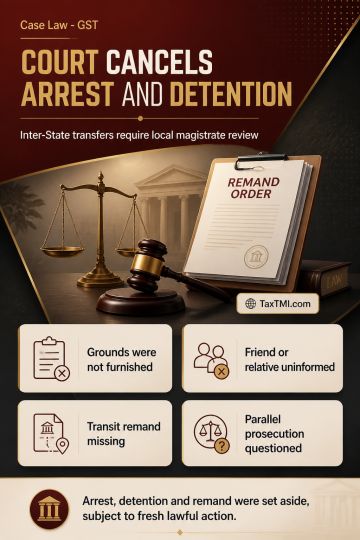
Arrest safeguards and transit remand requirements invalidated detention following inter-State transfer without communicated grounds or magistrate auth...
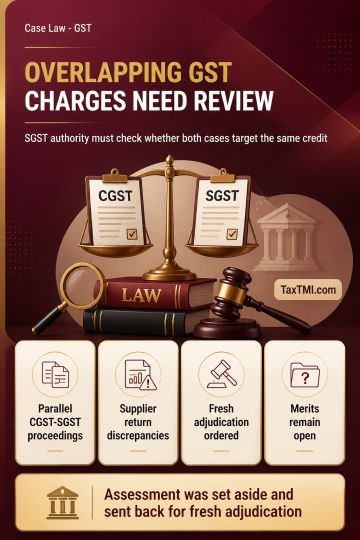
Arrest safeguards require disclosed grounds, relative intimation and transit remand, while duplicate prosecution under the CGST framework is unsustain...
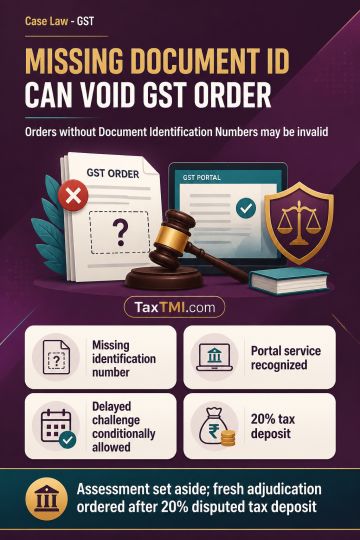
Document Identification Number defects can invalidate GST assessments, with delayed challenges entertained conditionally where patent irregularities e...
Windmill commissioning evidence supported higher depreciation where grid connection and electricity generation proved operational use before the relev...
ITAT adjudicated a taxation dispute concerning penalty levy under section 270A. The tribunal examined whether disallowed expenses constituted underreported income. Key findings indicate that adjustments made under section 143(1)(a) involving apparent computational mistakes do not qualify as underreported income warranting penalty. The tribunal distinguished between inadvertent computational errors and deliberate income misreporting. Specifically, additions made during assessment that stem from apparent mistakes are exempt from penalty provisions. The tribunal interpreted section 270A(2)(a) narrowly, holding that only income determined through scrutiny assessment can be classified as underreported. Consequently, the tribunal ruled in favor of the assessee, negating penalty imposition and emphasizing legislative intent to exclude inadvertent computational errors from punitive taxation measures.
ITAT adjudicated a taxation dispute concerning penalty levy under section 270A. The tribunal examined whether disallowed expenses constituted underreported income. Key findings indicate that adjustments made under section 143(1)(a) involving apparent computational mistakes do not qualify as underreported income warranting penalty. The tribunal distinguished between inadvertent computational errors and deliberate income misreporting. Specifically, additions made during assessment that stem from apparent mistakes are exempt from penalty provisions. The tribunal interpreted section 270A(2)(a) narrowly, holding that only income determined through scrutiny assessment can be classified as underreported. Consequently, the tribunal ruled in favor of the assessee, negating penalty imposition and emphasizing legislative intent to exclude inadvertent computational errors from punitive taxation measures.
Note: It is a system-generated summary and is for quick reference only.
 TaxTMI
 of 4801














 Join Channel


 TaxTMI