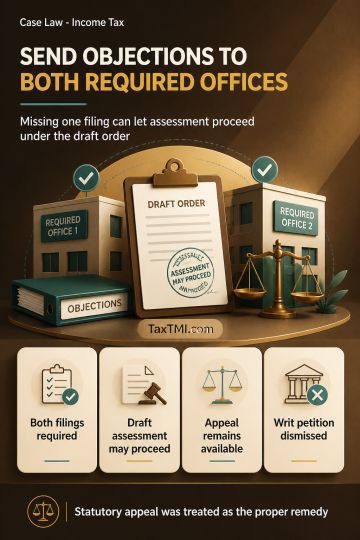
Dispute Resolution Panel objections must reach both prescribed forums; otherwise assessment may proceed and statutory appeal remains the proper remedy...
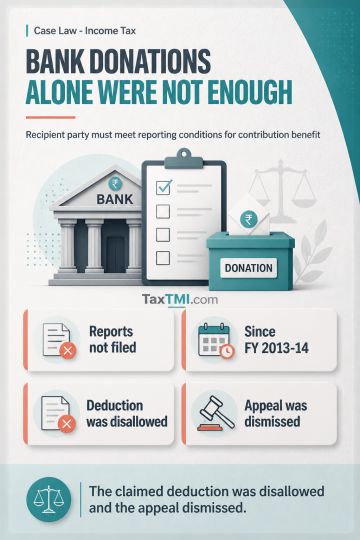
Political contribution deductions require recipient party compliance with contribution-reporting conditions; banking-channel donations alone do not qu...
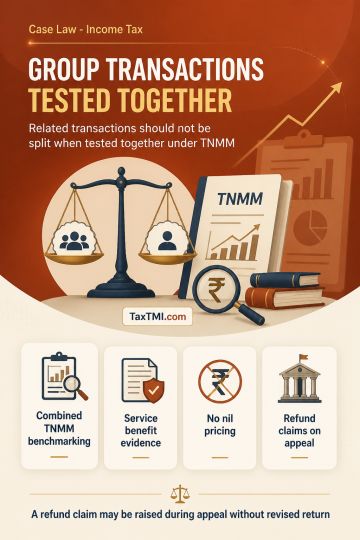
Aggregation under TNMM prevents selective testing of intra-group services without comparable uncontrolled transactions, while appellate additional cla...
Protective assessment cannot duplicate identical receipts under competing characterisations; remote services did not establish a taxable permanent est...
Current account treatment of overseas tournament services removed most FEMA findings, but excess EEFC remittance and delayed repatriation remained bre...
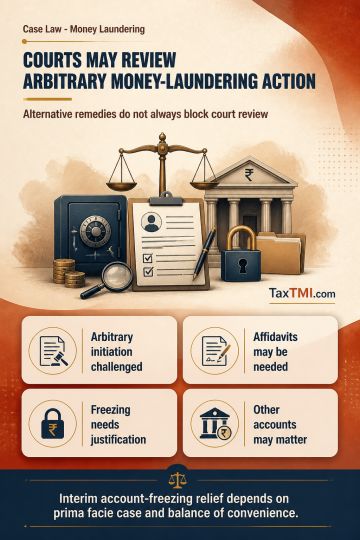
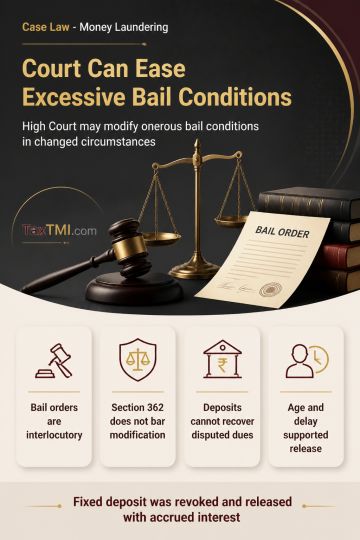
Modification of bail conditions remains available through inherent jurisdiction where onerous deposits undermine justice and cannot recover disputed d...
ITAT adjudicated a taxation dispute concerning penalty levy under section 270A. The tribunal examined whether disallowed expenses constituted underreported income. Key findings indicate that adjustments made under section 143(1)(a) involving apparent computational mistakes do not qualify as underreported income warranting penalty. The tribunal distinguished between inadvertent computational errors and deliberate income misreporting. Specifically, additions made during assessment that stem from apparent mistakes are exempt from penalty provisions. The tribunal interpreted section 270A(2)(a) narrowly, holding that only income determined through scrutiny assessment can be classified as underreported. Consequently, the tribunal ruled in favor of the assessee, negating penalty imposition and emphasizing legislative intent to exclude inadvertent computational errors from punitive taxation measures.
ITAT adjudicated a taxation dispute concerning penalty levy under section 270A. The tribunal examined whether disallowed expenses constituted underreported income. Key findings indicate that adjustments made under section 143(1)(a) involving apparent computational mistakes do not qualify as underreported income warranting penalty. The tribunal distinguished between inadvertent computational errors and deliberate income misreporting. Specifically, additions made during assessment that stem from apparent mistakes are exempt from penalty provisions. The tribunal interpreted section 270A(2)(a) narrowly, holding that only income determined through scrutiny assessment can be classified as underreported. Consequently, the tribunal ruled in favor of the assessee, negating penalty imposition and emphasizing legislative intent to exclude inadvertent computational errors from punitive taxation measures.
Note: It is a system-generated summary and is for quick reference only.
 TaxTMI
 of 4800













 Join Channel


 TaxTMI
