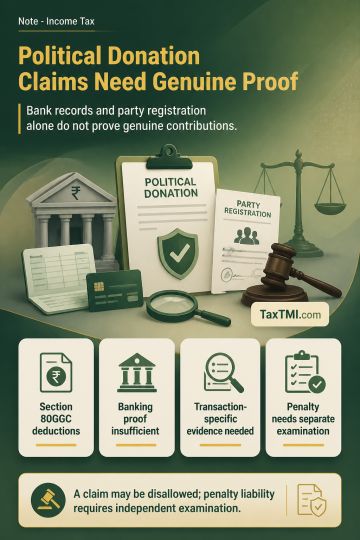
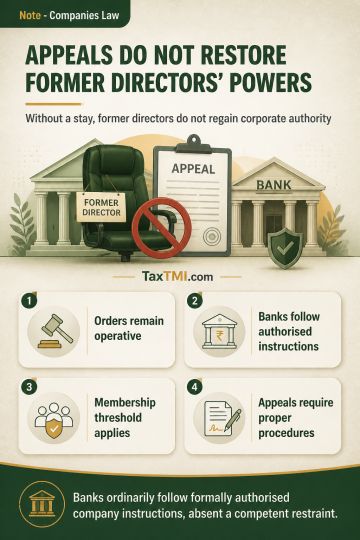
Political contribution deductions require genuine transactions; banking records and party registration alone cannot defeat evidence of accommodation e...
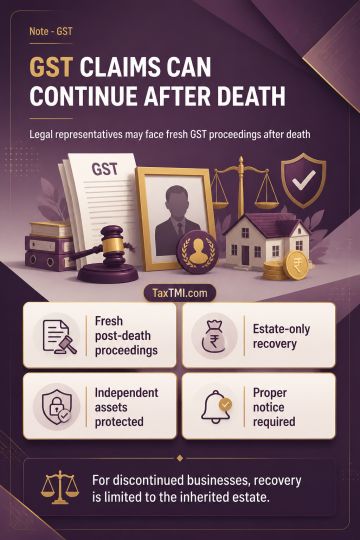
Post-death GST liability permits fresh proceedings against legal representatives, while discontinued-business recovery remains limited to the inherite...
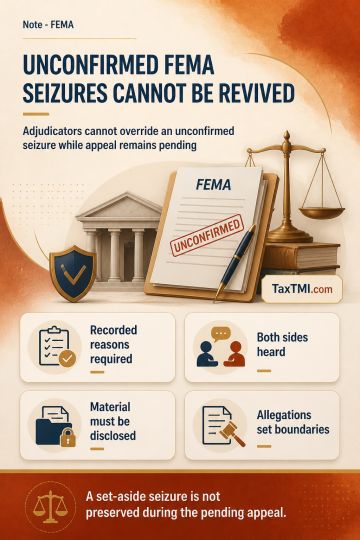
Non-confirmation of FEMA seizure prevents adjudicators from overriding pending appellate findings on recorded reasons and suspected foreign asset hold...
In a case under Section 138 of the N.I. Act against partners of a firm, the HC held that compounding of the offense by one partner discharges the entire liability of the partnership firm and all partners. The court emphasized that while a firm is not a legal entity separate from its partners, Section 141 of the N.I. Act allows prosecution in the firm's name. Partners' liability is joint and several, meaning each partner is liable for the entire debt individually and collectively. The court rejected partial settlement with one partner, ruling that once a matter is compromised for any amount, the offense is compounded toward all existing liabilities of the firm. Consequently, the complaint was quashed as compounded and the petitioner was acquitted.
In a case under Section 138 of the N.I. Act against partners of a firm, the HC held that compounding of the offense by one partner discharges the entire liability of the partnership firm and all partners. The court emphasized that while a firm is not a legal entity separate from its partners, Section 141 of the N.I. Act allows prosecution in the firm's name. Partners' liability is joint and several, meaning each partner is liable for the entire debt individually and collectively. The court rejected partial settlement with one partner, ruling that once a matter is compromised for any amount, the offense is compounded toward all existing liabilities of the firm. Consequently, the complaint was quashed as compounded and the petitioner was acquitted.
Note: It is a system-generated summary and is for quick reference only.
 TaxTMI
  TaxTMI